Waterproofing is a critical aspect of construction and home maintenance that involves applying various techniques and materials to prevent water from penetrating structures. This process is essential for safeguarding buildings against the damaging effects of moisture, which can lead to structural deterioration, mould growth, and a host of other issues that compromise both the integrity of the property and the health of its occupants. Understanding waterproofing is not just about knowing how to apply it; it’s about recognising its importance in preserving the longevity and safety of your home.There are several types of waterproofing methods, each tailored to specific needs and conditions. These include external waterproofing , which is applied to the outside of a structure to prevent water ingress from the ground, and internal waterproofing , which focuses on managing moisture that has already entered a building.
Other methods include membrane waterproofing , where a barrier is created to block water, and crystalline waterproofing , which involves chemical treatments that react with moisture to form a protective layer within concrete. Each method has its own advantages and is chosen based on factors such as the building's design, location, and the specific moisture challenges it faces.The significance of waterproofing cannot be overstated. In regions prone to heavy rainfall or flooding, effective waterproofing can mean the difference between a safe, dry home and one that suffers from extensive water damage. Moreover, even in less extreme climates, moisture can accumulate due to condensation or plumbing leaks, leading to costly repairs if not addressed promptly.
By investing in proper waterproofing solutions, homeowners not only protect their property but also enhance its value and ensure a healthier living environment.
The Basics of Interior Waterproofing
Interior waterproofing is a crucial aspect of maintaining a dry and healthy living environment, particularly in basements where moisture can accumulate. This method focuses on managing water that has already entered the home, rather than preventing it from reaching the structure in the first place. Understanding the various interior waterproofing methods available can help homeowners make informed decisions about protecting their property.One of the most common techniques used in interior waterproofing is the installation of a sump pump. This system involves creating a sump pit in the basement floor where water collects.Once the water level rises to a certain point, the sump pump activates and pumps the water out of the basement and away from the foundation. This method is particularly effective for homes that experience significant groundwater issues.Another popular approach is the use of interior drainage systems , which include weeping tiles or drain tiles installed along the perimeter of the basement. These systems capture water that seeps through walls or floors and direct it to the sump pit. By managing water at its source, these systems help prevent flooding and reduce humidity levels within the basement.
Sealing cracks
in walls and floors is also an essential part of interior waterproofing.
Various materials, such as polyurethane injections, can be used to fill these cracks, preventing further moisture ingress. It’s important to assess whether these cracks are wet or dry before applying sealants, as some materials require moisture to bond effectively.The benefits of interior waterproofing are numerous. Firstly, it is often more cost-effective than exterior waterproofing methods, which can involve extensive excavation and landscaping. Additionally, interior solutions can be implemented quickly, allowing homeowners to address moisture issues without significant disruption to their daily lives.Moreover, interior waterproofing systems are generally easier to maintain than their exterior counterparts.
With proper installation and regular inspections, these systems can provide long-lasting protection against water damage. Homeowners can also enjoy improved air quality and reduced risk of mould growth, contributing to a healthier living environment.In summary, while interior waterproofing may not prevent water from entering a home entirely, it offers effective solutions for managing existing moisture problems. By employing methods such as sump pumps, drainage systems, and crack sealing, homeowners can protect their properties from water damage while enjoying the benefits of a dry and comfortable living space.
Identifying Moisture Sources: The First Step in Waterproofing Inspection
Identifying the sources of moisture in a property is a critical first step in any waterproofing inspection. Without understanding where the moisture is coming from, it becomes nearly impossible to implement an effective waterproofing solution.Here are some common signs that indicate moisture problems within your home:
- Visible Water Stains: Look for discolouration on walls and ceilings, which can indicate water intrusion.
- Mould and Mildew: The presence of mould or mildew is a clear sign of excess moisture. Pay attention to musty odours as well.
- Peeling Paint or Wallpaper: If paint or wallpaper is bubbling or peeling, it may be due to moisture trapped behind the surface.
- Condensation: Excessive condensation on windows and walls can signal high humidity levels, often linked to inadequate ventilation.
- Dampness in the Basement: A damp or musty smell in the basement can indicate water seepage or high humidity levels.
- Visual Inspection: Conduct a thorough visual inspection of both the interior and exterior of your property. Look for cracks in walls, gaps around windows and doors, and any signs of water pooling outside.
- Moisture Meters: Use a moisture meter to measure the moisture content in walls, floors, and other surfaces.
This tool can help identify areas with excessive moisture that may not be visible to the naked eye.
- Infrared Thermography: This advanced technique uses thermal imaging to detect temperature differences in building materials, which can indicate hidden moisture problems.
- Dye Testing: In some cases, introducing a non-toxic dye into your drainage system can help trace leaks and identify their source.
Common Interior Waterproofing Techniques
When it comes to interior waterproofing, several techniques can be employed to effectively manage water ingress and protect your home from moisture damage. Understanding these methods is crucial for homeowners looking to safeguard their basements and living spaces.Sump Pumps
A sump pump is a vital component of many interior waterproofing systems. It is designed to remove excess water that accumulates in a sump basin, typically located in the lowest part of the basement.When water levels rise, the sump pump activates automatically, pumping the water out and away from the foundation of the home. This process not only prevents flooding but also reduces humidity levels, which can lead to mould growth.Modern sump pumps often come equipped with battery backups, ensuring they continue to operate even during power outages or severe weather conditions. Regular maintenance of sump pumps is essential to ensure their reliability; homeowners should check the pump's operation periodically and clean the sump pit to prevent debris buildup.
Drainage Systems
Another effective method for interior waterproofing is the installation of drainage systems. These systems are designed to redirect water away from vulnerable areas within the home.One common type is the interior French drain , which consists of a trench filled with gravel and a perforated pipe that collects and channels water away from the basement.Interior drainage systems can be installed along the perimeter of the basement floor or beneath it, depending on the specific needs of the property. By capturing water before it can seep into walls or floors, these systems significantly reduce the risk of water damage.
Sealing Cracks
Sealing cracks in walls and floors is another critical aspect of interior waterproofing. Over time, concrete can develop cracks due to settling or temperature changes, allowing moisture to penetrate. Using high-quality sealants, such as polyurethane or epoxy injections, can effectively fill these gaps and create a waterproof barrier.It’s important to assess whether cracks are dry or wet before applying sealants, as some products require moisture to cure properly while others do not adhere well in wet conditions.Regular inspections for new cracks should be part of a homeowner's maintenance routine to ensure ongoing protection against water ingress.In conclusion, employing a combination of sump pumps, drainage systems, and crack sealing techniques can provide a robust solution for managing moisture within your home. By understanding these methods and their effectiveness, homeowners can make informed decisions about their interior waterproofing needs.
The Role of Sump Pumps in Interior Waterproofing
Sump pumps play a vital role in the effectiveness of interior waterproofing systems, particularly in basements where water accumulation can lead to significant structural damage and health issues. Understanding the installation process, maintenance requirements, and types of sump pumps available is essential for homeowners looking to protect their properties.Installation of Sump Pumps
Installing a sump pump involves several critical steps to ensure it functions correctly. First, a sump pit must be excavated at the lowest point of the basement, where water naturally collects.The pit should be deep enough to accommodate the pump and allow for adequate drainage. Once the pit is prepared, the sump pump is placed inside, and a discharge pipe is connected to direct water away from the foundation.It’s crucial to ensure that the discharge pipe leads water at least 10 feet away from the house to prevent it from seeping back into the foundation. Additionally, a check valve should be installed on the discharge line to prevent backflow into the sump pit. After installation, testing the pump is essential to confirm that it activates properly when water levels rise.
Types of Sump Pumps
There are primarily two types of sump pumps: submersible and pedestal .- Submersible Sump Pumps: These pumps are designed to be submerged in water within the sump pit.
They are typically more powerful and quieter than pedestal pumps, making them suitable for larger basements or areas prone to heavy flooding.
- Pedestal Sump Pumps: Positioned above the sump pit, these pumps have a long shaft that extends down into the water. While they are generally less expensive and easier to maintain, they can be noisier and less efficient in handling large volumes of water.
Maintenance of Sump Pumps
Regular maintenance is crucial for ensuring that your sump pump operates effectively when needed. Here are some essential maintenance tips:- Inspect Regularly: Check your sump pump at least once every three months. Look for any signs of wear or damage, and ensure that it is free from debris.
- Test Functionality: Pour water into the sump pit to see if the pump activates automatically.
This simple test can help identify any issues before they become serious problems.
- Clean the Pit: Remove any sediment or debris from the sump pit to prevent clogging and ensure smooth operation.
- Check Power Supply: Ensure that your sump pump is connected to a reliable power source. Consider installing a battery backup system to keep it operational during power outages.
Sealing Cracks and Gaps: Essential Steps for Effective Waterproofing
One of the most critical aspects of waterproofing is effectively sealing cracks and gaps in walls and floors. These openings can serve as pathways for moisture to infiltrate your home, leading to potential damage and health issues such as mould growth. Therefore, addressing these vulnerabilities is essential for maintaining a dry and healthy environment.Identifying Cracks and Gaps
Before you can seal any cracks, it’s important to conduct a thorough inspection of your property.
Look for:
- Visible cracks in walls, especially around windows and doors.
- Gaps between the floor and walls or around plumbing fixtures.
- Signs of water damage, such as stains or peeling paint.
Best Materials for Sealing Cracks
Once you’ve identified the areas that need attention, selecting the right materials is crucial for effective sealing. Here are some of the best options:
- Polyurethane Sealants: These are highly flexible and durable, making them ideal for sealing cracks in concrete and masonry. They can withstand movement without losing their sealing properties.
- Acrylic Caulk: This is a versatile option suitable for smaller gaps. It’s easy to apply and can be painted over once dry, making it aesthetically pleasing.
- Epoxy Resins: For larger cracks, especially in concrete, epoxy resins provide a strong bond and excellent waterproofing capabilities.
They are particularly effective in high-pressure situations.
- Hydraulic Cement: This material expands as it cures, making it perfect for sealing leaks in basements or foundations where water pressure is a concern.
The Importance of Sealing Gaps
Sealing gaps is not just about preventing water ingress; it also plays a significant role in energy efficiency. Unsealed gaps can lead to drafts, increasing heating and cooling costs. By ensuring that your home is properly sealed, you not only protect it from moisture but also enhance its overall energy performance.In conclusion, sealing cracks and gaps is an essential step in any waterproofing strategy. By using the right materials and techniques, you can significantly reduce the risk of water damage and improve your home’s comfort and efficiency.
Comparative Analysis: Interior vs.
Exterior Waterproofing MethodsWhen considering waterproofing options for your property, it is essential to weigh the advantages and disadvantages of both interior and exterior waterproofing methods. Each approach has its unique benefits and challenges, making it crucial to choose the right one based on your specific circumstances.
Interior Waterproofing
Interior waterproofing primarily focuses on managing water that has already entered the basement or foundation. This method typically involves:- Installation of drainage systems: These systems, such as sump pumps and drain tiles, help redirect water away from the interior space.
- Sealing cracks: Using materials like polyurethane injections to seal cracks in walls and floors prevents further water ingress.
- Moisture barriers: Applying coatings or membranes on walls can help mitigate moisture levels.
Pros:
- Generally more affordable than exterior methods.
- Less invasive, requiring minimal excavation.
- Quick installation time, allowing for faster resolution of water issues.
Cons:
- Does not address the root cause of water intrusion; it merely manages existing water.
- May require ongoing maintenance and monitoring.
- Potential for reduced effectiveness if external sources of moisture are not addressed.
Exterior Waterproofing
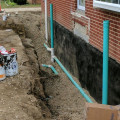
This method involves creating a barrier outside the foundation to prevent water from entering the structure. Key components include:- Excavation: The soil around the foundation is excavated to apply waterproof membranes directly to the exterior walls.
- French drains: These systems are installed to redirect groundwater away from the foundation.
- Grading adjustments: Ensuring proper slope away from the home can significantly reduce water accumulation around the foundation.
Pros:
- Tackles the source of moisture, providing a long-term solution.
- Reduces the risk of structural damage caused by prolonged exposure to water.
- Can improve overall property value by enhancing structural integrity.
Cons:
- Higher initial costs due to excavation and extensive labour.
- Takes longer to complete compared to interior methods.
- Potential disruption to landscaping and outdoor spaces during installation.
Cost Comparison
The cost of waterproofing can vary significantly between interior and exterior methods.Generally, interior waterproofing tends to be less expensive, with costs ranging from £1,000 to £5,000 depending on the extent of work required. In contrast, exterior waterproofing can range from £5,000 to £15,000 or more due to the complexity and labour involved in excavation and installation. Ultimately, while interior methods may offer a quick fix, investing in exterior waterproofing can provide a more comprehensive solution that addresses underlying issues effectively.
The Importance of Professional Waterproofing Inspections
When it comes to safeguarding your home from water damage, the significance of a professional waterproofing inspection cannot be overstated. These inspections are crucial for identifying potential vulnerabilities in your property that could lead to moisture intrusion, mould growth, and structural damage.Benefits of Professional Waterproofing Inspections
- Expertise and Experience: Professionals possess the knowledge and experience to accurately assess your property’s waterproofing needs.
They can identify issues that may not be immediately visible to the untrained eye.
- Comprehensive Assessment: A thorough inspection includes evaluating the foundation, walls, and drainage systems. This comprehensive approach ensures that all potential sources of water ingress are examined.
- Tailored Solutions: After the inspection, professionals can recommend specific waterproofing solutions tailored to your home’s unique requirements, ensuring effective long-term protection.
- Peace of Mind: Knowing that a qualified expert has evaluated your property provides peace of mind, allowing you to address any issues before they escalate into costly repairs.
When to Hire a Professional
It is advisable to seek a professional waterproofing inspection under several circumstances:
- If you notice signs of water damage such as damp patches, peeling paint, or mould growth.
- Before purchasing a new home, especially if it has a basement or is located in a flood-prone area.
- If your property has experienced heavy rainfall or flooding recently.
- If you are planning renovations that involve digging or altering the foundation.
What to Expect from an Inspection
During a professional waterproofing inspection, homeowners can expect a detailed evaluation process. The inspector will:
- Conduct a visual assessment of both the interior and exterior of the property.
- Check for signs of moisture intrusion and assess drainage systems.
- Evaluate the condition of existing waterproofing measures, if any.
- Provide a written report detailing their findings and recommendations for any necessary repairs or improvements.
DIY vs.
Professional Waterproofing Solutions: Making the Right ChoiceWhen it comes to waterproofing your home, particularly in areas like basements, homeowners often face a crucial decision: should they tackle the project themselves or hire a professional service? Both options have their merits and drawbacks, and understanding these can help you make an informed choice.
DIY Waterproofing Solutions
Many homeowners are tempted to opt for DIY waterproofing solutions due to the potential cost savings. Simple tasks such as sealing cracks with waterproof sealants, applying damp-proof paint, or installing interior drainage systems can be manageable for those with a bit of handy experience. Here are some advantages of going the DIY route:
- Cost-Effectiveness: DIY projects typically require only the cost of materials, which can be significantly less than hiring professionals.
- Control Over the Process: You have complete control over the timeline and methods used, allowing for flexibility in your approach.
- Learning Experience: Engaging in DIY projects can enhance your skills and knowledge about home maintenance.
- Lack of Expertise: Without professional training, you may overlook critical issues or use inappropriate materials that could lead to further problems.
- Time-Consuming: DIY projects can take longer than anticipated, especially if unexpected complications arise.
- Limited Warranty: Most DIY products do not come with warranties, meaning you bear the full risk if the solution fails.
Professional Waterproofing Services
On the other hand, hiring a professional waterproofing service offers several advantages that can outweigh the initial costs:
- Expertise and Experience: Professionals bring a wealth of knowledge and experience, ensuring that the job is done correctly and efficiently.
- Comprehensive Solutions: They can identify underlying issues that may not be visible to an untrained eye and provide tailored solutions that address all aspects of waterproofing.
- Long-Term Results: Professional work often comes with warranties, providing peace of mind that your investment is protected.
- Higher Costs: The upfront cost of hiring professionals can be significant compared to DIY methods.
- Lack of Control: You may have less control over the timeline and specific methods used in the waterproofing process.
However, for more extensive problems or if you seek long-term reliability, investing in professional services is likely the better option. Always consider obtaining multiple quotes from professionals to ensure you receive fair pricing while also evaluating their expertise and customer reviews before making a decision.
<strong>Conclusion</strong>: Key Takeaways on Interior Waterproofing Inspection
In summary, the process of interior waterproofing is a crucial aspect of maintaining a dry and healthy basement environment. As we have explored, understanding the sources of moisture is the first step in effectively addressing any water-related issues. Whether the moisture originates from external sources or is a result of condensation, identifying the root cause allows homeowners to implement the most suitable waterproofing solutions.One of the primary methods discussed is the installation of an interior drainage system, which includes components such as sump pumps and weeping tiles.These systems are designed to manage water that has already infiltrated the basement, directing it away from the foundation and preventing further damage. The use of polyurethane injection materials for sealing cracks is also highlighted as an effective strategy, ensuring that these repairs remain durable and flexible over time.Moreover, it is essential to consider the importance of professional waterproofing inspections. Engaging with experienced contractors can provide valuable insights into the specific needs of your property. They can assess potential vulnerabilities and recommend tailored solutions that not only address current issues but also prevent future occurrences.While interior waterproofing methods are often more affordable and easier to implement than their exterior counterparts, they should not be viewed as a one-size-fits-all solution.
Each property has unique characteristics that may require a combination of both interior and exterior approaches for optimal results. Therefore, thorough research and consultation with experts are vital before making any decisions.Ultimately, addressing moisture problems through effective interior waterproofing not only protects your home’s structural integrity but also contributes to a healthier living environment. By taking proactive measures and investing in quality waterproofing systems, homeowners can enjoy peace of mind knowing their basements are safeguarded against water damage.