Waterproofing is a critical aspect of construction and home maintenance that often goes unnoticed until problems arise. At its core, waterproofing refers to the process of making a structure resistant to water ingress, ensuring that it remains dry and intact over time. This is particularly vital in areas prone to high moisture levels, such as basements, bathrooms, and external walls. The significance of waterproofing cannot be overstated; it serves as a protective barrier against the damaging effects of water, which can lead to structural deterioration, mould growth, and a host of other issues that compromise the integrity of a building.The importance of waterproofing extends beyond mere protection; it also contributes to the overall comfort and health of the living environment.
By preventing moisture accumulation, waterproofing helps maintain optimal humidity levels within a home, reducing the risk of respiratory problems associated with dampness. Furthermore, effective waterproofing can enhance energy efficiency by minimising heat loss through damp walls and floors, ultimately leading to lower energy bills.In addition to these benefits, waterproofing plays a crucial role in preserving the aesthetic appeal of a property. Water damage can lead to unsightly stains, peeling paint, and crumbling masonry, all of which detract from a home's visual charm. Regular waterproofing inspections are essential to identify potential vulnerabilities before they escalate into costly repairs.
By investing in waterproofing measures and inspections, homeowners not only safeguard their property but also enhance its long-term value.
What is Waterproofing Inspection?
A waterproofing inspection is a critical assessment process aimed at evaluating the effectiveness of waterproofing systems in a building or structure. This inspection is essential for identifying potential vulnerabilities that could lead to water ingress, which can cause significant damage over time. The primary goal of a waterproofing inspection is to ensure that all waterproofing measures are functioning as intended, thereby safeguarding the integrity of the structure.During a waterproofing inspection, trained professionals, often referred to as waterproofing specialists or building inspectors , conduct a thorough examination of various elements of the property. This includes:- Exterior Walls: Inspectors assess the condition of exterior walls for cracks, gaps, or signs of wear that may allow water penetration.
- Foundation: The foundation is scrutinised for any signs of moisture intrusion or deterioration, which can compromise the overall stability of the building.
- Roofing Systems: The roof is examined for proper drainage, integrity of roofing materials, and any potential leaks around penetrations such as vents and chimneys.
- Basements and Crawl Spaces: These areas are particularly vulnerable to moisture issues; inspectors look for dampness, mould growth, and the effectiveness of existing waterproofing measures.
- Drainage Systems: Proper functioning of gutters, downspouts, and drainage systems is evaluated to ensure they effectively divert water away from the structure.
These methods help identify hidden moisture issues that may not be immediately visible. After completing the inspection, the professionals compile a detailed report outlining their findings, including any necessary repairs or improvements needed to enhance the waterproofing system.In summary, a waterproofing inspection is an essential procedure that helps maintain the longevity and safety of a building. By identifying potential issues early on, property owners can take proactive measures to prevent costly repairs and ensure a dry, comfortable living environment.
The Necessity of Waterproofing in Construction
Waterproofing is an essential aspect of modern construction that cannot be overlooked. It serves as a protective barrier against water ingress, which can lead to significant structural damage over time.The necessity of waterproofing arises from the inherent vulnerabilities of building materials, particularly concrete and masonry, which are porous by nature. Without adequate waterproofing measures, these materials can absorb moisture, leading to a host of problems that compromise the integrity and longevity of a structure.One of the primary reasons waterproofing is necessary is to prevent water damage. Water can infiltrate buildings through various means, including cracks in walls, poorly sealed joints, and even through the ground in areas with high water tables. Once inside, moisture can cause mould growth, wood rot, and corrosion of metal components.
These issues not only affect the aesthetic appeal of a property but also pose serious health risks to occupants.Moreover, waterproofing enhances the durability of a structure. By preventing water from penetrating building materials, waterproofing helps maintain their strength and stability over time. For instance, when concrete is exposed to moisture, it can weaken and crack due to freeze-thaw cycles or chemical reactions with water. This deterioration can lead to costly repairs and even structural failure if not addressed promptly.The benefits of waterproofing extend beyond mere protection against water damage.
It also contributes to energy efficiency within buildings. A well-waterproofed structure reduces humidity levels indoors, which can lower heating and cooling costs by creating a more stable internal environment. This not only enhances comfort for occupants but also reduces energy consumption, making it an environmentally friendly choice.In addition to these practical advantages, waterproofing can also increase property value. Prospective buyers are often wary of homes with a history of water damage or mould issues.
By investing in waterproofing solutions during construction or renovation, homeowners can enhance their property's marketability and appeal.In conclusion, the necessity of waterproofing in construction cannot be overstated. It plays a critical role in safeguarding structures from water-related damage while promoting longevity and energy efficiency. As such, it should be considered a fundamental aspect of any construction project.
Common Causes of Water Damage in Buildings
Understanding the common causes of water damage in buildings is crucial for effective waterproofing and long-term maintenance. Water can infiltrate structures through various pathways, leading to significant damage if not addressed promptly.1.Poor Drainage Systems
- Inadequate drainage systems can cause water to pool around the foundation of a building.
This accumulation increases hydrostatic pressure, which can lead to water seeping through cracks and joints.
- Blocked gutters and downspouts can also contribute to overflow, directing water towards the building rather than away from it.
2.Cracks in Walls and Foundations
- Over time, natural settling and temperature fluctuations can create cracks in walls and foundations. These openings provide a direct route for water to enter the structure.
- Even small cracks can lead to significant moisture intrusion, especially during heavy rainfall or snowmelt.
3.Faulty Roofs
- A compromised roof is one of the most common entry points for water damage. Missing shingles, damaged flashing, or clogged roof drains can allow rainwater to penetrate the building.
- Regular inspections and maintenance of roofing materials are essential to prevent leaks that could lead to extensive interior damage.
4.Plumbing Failures
- Leaking pipes, faulty fixtures, or burst hoses can introduce large volumes of water into a building quickly. These issues often go unnoticed until significant damage has occurred.
- Routine plumbing inspections can help identify potential problems before they escalate into costly repairs.
5.Groundwater Infiltration
- In areas with high groundwater levels, moisture can seep through basement walls or floors, especially if proper waterproofing measures are not in place.
- This type of infiltration is often exacerbated by heavy rainfall or flooding, making it essential to have effective waterproofing solutions in basements and lower levels.
6.Condensation Issues
- High humidity levels inside a building can lead to condensation on walls and ceilings, which may eventually result in mould growth and structural damage.
- Proper ventilation and humidity control are vital in preventing condensation-related water damage.
By understanding how water enters buildings, property owners can take proactive measures to prevent costly repairs and maintain the integrity of their structures.
Signs That Indicate a Need for Waterproofing Inspection
Identifying the need for a waterproofing inspection is crucial for maintaining the integrity of your home. Several signs can indicate that your property may be suffering from moisture issues, and recognising these early can save you from costly repairs down the line.- Visible Water Stains: One of the most apparent signs of water damage is the presence of water stains on walls or ceilings. These stains often appear as discoloured patches and can indicate leaks from plumbing or roof issues.
- Mould and Mildew Growth: The presence of mould or mildew is a clear indicator of excess moisture in your home. If you notice a musty smell or see black, green, or white spots on surfaces, it’s time to consider a waterproofing inspection.
- Peeling Paint or Wallpaper: If paint or wallpaper is peeling away from walls, it may be due to moisture trapped beneath the surface.
This can lead to further deterioration if not addressed promptly.
- Cracks in Walls or Foundation: Cracks in your walls or foundation can allow water to seep in. If you notice new cracks or existing ones widening, it’s essential to investigate further.
- Damp Odours: A persistent damp smell in certain areas of your home can indicate hidden moisture problems. This odour often accompanies mould growth and should not be ignored.
- Condensation on Windows: Excessive condensation on windows, especially during colder months, can suggest high humidity levels inside your home, which may necessitate a waterproofing inspection.
- Wet Basements or Crawl Spaces: If you find standing water or dampness in your basement or crawl space, this is a significant sign that waterproofing measures are needed to prevent further damage.
The Process of Waterproofing Inspection
Conducting a waterproofing inspection is a critical step in ensuring the longevity and integrity of a property.This process involves a thorough examination of various elements that contribute to the waterproofing system of a building. Here’s what you can expect during a typical waterproofing inspection.
Initial Assessment
The inspection begins with an initial assessment of the property. The inspector will walk around the exterior and interior of the building, looking for visible signs of water damage, such as:- Stains on walls or ceilings
- Peeling paint or wallpaper
- Mould or mildew growth
- Cracks in walls or foundations
- Wet spots on floors or surfaces
Detailed Inspection Steps
Following the initial assessment, the inspector will carry out a more detailed examination, which typically includes the following steps:- Checking Gutters and Downspouts: Inspectors will ensure that gutters are clear and downspouts direct water away from the foundation.
- Examining Foundation Walls: The foundation will be checked for cracks, signs of efflorescence, and any other indicators of moisture intrusion.
- Assessing Drainage Systems: Proper drainage systems are crucial. Inspectors will evaluate whether existing systems are functioning effectively.
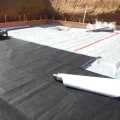
- Reviewing Waterproofing Membranes: If applicable, the condition of any waterproofing membranes will be assessed for integrity and effectiveness.
- Inspecting Interior Spaces: Inside the property, inspectors will look for signs of dampness in basements, crawl spaces, and other vulnerable areas.
Final Evaluation and Recommendations
After completing the inspection, the inspector will compile their findings into a comprehensive report.This report typically includes:
- A summary of observed issues
- Recommendations for repairs or improvements
- A prioritised action plan to address any urgent concerns
Cost Considerations for Waterproofing Inspections and Repairs
When considering waterproofing for your property, understanding the cost implications is crucial. The expenses associated with waterproofing inspections and repairs can vary significantly based on several factors, including the size of the property, the extent of the water damage, and the specific waterproofing methods employed.Cost of Waterproofing Inspections
A waterproofing inspection is an essential first step in identifying potential issues before they escalate into more significant problems. The cost of a professional inspection typically ranges from £200 to £500 , depending on the complexity of the property and the inspector's expertise.During this inspection, professionals will assess areas prone to moisture ingress, such as basements, foundations, and roofs.
Factors Influencing Inspection Costs
- Property Size: Larger properties may require more time and resources to inspect thoroughly.
- Location: Costs can vary by region; urban areas may have higher rates due to demand.
- Inspector Qualifications: Highly experienced inspectors may charge more for their services.
Waterproofing Repair Costs
If an inspection reveals issues that require attention, repair costs can vary widely. Basic repairs might start at around £500 , while extensive work could exceed £5,000. Common repair methods include:- Sealants: Applying sealants to cracks or joints can cost between £300 and £1,000 .
- Membrane Installation: Installing a waterproof membrane can range from £1,000 to £4,000 , depending on the area covered.
- Sump Pump Installation: If water accumulation is a concern, installing a sump pump may add another £800 to £2,500 .
Budgeting for Waterproofing
When budgeting for waterproofing inspections and repairs, it’s wise to set aside a contingency fund of at least 10-20% of your estimated costs. This buffer can help cover unexpected expenses that may arise during repairs.Additionally, consider the long-term savings associated with proactive waterproofing measures; preventing water damage can save homeowners from costly repairs down the line.In conclusion, while the initial costs of waterproofing inspections and repairs may seem daunting, investing in these services is essential for maintaining the integrity of your property. By understanding these financial implications and planning accordingly, you can ensure your home remains safe and dry for years to come.
Long-Term Benefits of Regular Waterproofing Inspections
Regular waterproofing inspections are essential for safeguarding your property against the damaging effects of water ingress. By conducting these inspections, homeowners can identify potential issues before they escalate into significant problems, ultimately saving time and money in the long run.Benefits of Regular Inspections
- Early Detection of Issues: Regular inspections allow for the early identification of cracks, leaks, or other vulnerabilities in your waterproofing systems. Addressing these issues promptly can prevent extensive damage to your property.
- Cost-Effective Maintenance: Investing in routine waterproofing inspections can significantly reduce the likelihood of costly repairs.
By maintaining the integrity of your waterproofing systems, you can avoid major renovations that may arise from neglect.
- Enhanced Property Value: A well-maintained property with effective waterproofing is more attractive to potential buyers. Regular inspections demonstrate a commitment to property upkeep, which can enhance resale value.
Long-Term Advantages of Waterproofing
Waterproofing is not merely a one-time task; it requires ongoing attention to ensure its effectiveness. The long-term advantages of regular waterproofing inspections include:
- Protection Against Structural Damage: Water infiltration can lead to severe structural issues over time. Regular inspections help ensure that your waterproofing measures are functioning correctly, protecting the structural integrity of your home.
- Mould and Mildew Prevention: Moisture accumulation can lead to mould and mildew growth, which poses health risks and can damage your property.
Inspections help identify areas where moisture may be trapped, allowing for timely remediation.
- Increased Energy Efficiency: A well-waterproofed home is often more energy-efficient. By preventing water ingress, you reduce the risk of dampness that can lead to increased heating costs.
Maintaining Property Value Through Inspections
The value of a property is influenced by its condition and maintenance history. Regular waterproofing inspections play a crucial role in maintaining property value by ensuring that the home remains dry and structurally sound. Prospective buyers are more likely to invest in a property that has a documented history of regular maintenance, including waterproofing checks.In conclusion, prioritising regular waterproofing inspections is a proactive approach that yields numerous long-term benefits.
From preserving the structural integrity of your home to enhancing its market value, these inspections are an investment in the future of your property.
Frequently Asked Questions About Waterproofing Inspection
Waterproofing inspections are crucial for maintaining the integrity of a building, yet many homeowners have questions and misconceptions about the process. Here, we address some of the most frequently asked questions regarding waterproofing inspections to provide clarity and enhance understanding.What is a waterproofing inspection?
A waterproofing inspection is a thorough evaluation of a building's waterproofing systems. This includes checking for any signs of water ingress, assessing the condition of existing waterproofing materials, and identifying potential vulnerabilities in the structure. The goal is to ensure that the building remains dry and protected from moisture-related damage.Why is a waterproofing inspection necessary?
Regular waterproofing inspections are essential for several reasons:- Preventative Maintenance: Identifying issues before they escalate can save homeowners significant repair costs in the long run.
- Structural Integrity: Water damage can compromise the structural integrity of a building, leading to costly repairs and safety hazards.
- Health Concerns: Moisture can lead to mould growth, which poses health risks to occupants.
How often should I have a waterproofing inspection?
The frequency of waterproofing inspections can depend on various factors, including the age of the building, local climate conditions, and any previous water-related issues.Generally, it is advisable to conduct an inspection at least once every few years or after significant weather events such as heavy rainfall or flooding.
What are common misconceptions about waterproofing inspections?
- Myth 1: Waterproofing inspections are only necessary for older buildings. This is false; even new constructions can develop issues if not properly maintained.
- Myth 2: A visual inspection is sufficient. A comprehensive inspection involves more than just visual checks; it requires specialised tools and techniques to identify hidden problems.
- Myth 3: Waterproofing is a one-time solution. In reality, waterproofing systems require ongoing maintenance and periodic inspections to remain effective.
Conclusion: The Essential Role of Waterproofing Inspection in Property Maintenance
In conclusion, the significance of waterproofing inspections cannot be overstated when it comes to maintaining the integrity and longevity of any property.Throughout this article, we have explored the various facets of waterproofing, highlighting its essential role in safeguarding structures against the detrimental effects of water ingress.Waterproofing is not merely an optional enhancement; it is a critical component of construction and property maintenance. Regular inspections ensure that any potential vulnerabilities are identified and addressed before they escalate into serious issues. By investing in waterproofing inspections, property owners can:
- Prevent Structural Damage: Water can compromise the structural integrity of buildings, leading to costly repairs and safety hazards. Inspections help detect early signs of moisture intrusion.
- Avoid Health Risks: Excess moisture can lead to mould growth, which poses health risks to occupants.
Regular checks can mitigate these risks by ensuring that moisture levels are kept in check.
- Enhance Property Value: A well-maintained property with effective waterproofing measures is more attractive to potential buyers or tenants. Inspections contribute to maintaining and even increasing property value.
- Save on Long-term Costs: Addressing waterproofing issues early can save significant amounts in repair costs down the line. It is far more economical to prevent damage than to rectify it after it has occurred.
Therefore, engaging with professionals who specialise in waterproofing inspections can provide invaluable insights and recommendations.Ultimately, a proactive approach to waterproofing through regular inspections not only protects your investment but also ensures a safe and comfortable living environment. As we have seen, the implications of neglecting this vital aspect of property maintenance can be severe. Therefore, prioritising waterproofing inspections should be a fundamental part of any property management strategy.