Waterproofing walls is a critical aspect of home maintenance that often goes overlooked until significant damage occurs. The importance of waterproofing cannot be overstated, as it serves as a protective barrier against moisture intrusion, which can lead to a myriad of problems including mould growth, structural deterioration, and costly repairs. By investing in proper waterproofing techniques, homeowners can safeguard their properties from the damaging effects of water, ensuring both the longevity and integrity of their living spaces.One of the primary benefits of waterproofing walls is the prevention of water damage. When moisture seeps into walls, it can compromise the structural integrity of the building materials, leading to issues such as rotting wood, rusting metal, and crumbling masonry.
Furthermore, damp environments are conducive to mould and mildew growth, which not only poses health risks but can also result in unpleasant odours and unsightly stains. A thorough waterproofing inspection can identify vulnerable areas in your home where water may penetrate, allowing for timely interventions that protect your investment.Additionally, waterproofing enhances energy efficiency by creating a more stable indoor environment. When walls are properly sealed against moisture, they are better equipped to maintain consistent temperatures, reducing the strain on heating and cooling systems. This not only contributes to lower energy bills but also improves overall comfort within the home.
As we delve deeper into various waterproofing methods and techniques in this article, it will become clear that proactive measures are essential for maintaining a safe and healthy living environment.
Common Causes of Wall Water Damage
Water damage in walls can stem from a variety of sources, each contributing to the deterioration of structural integrity and aesthetic appeal. Understanding these causes is essential for effective waterproofing and long-term maintenance.Poor Drainage Systems
One of the primary culprits behind wall water damage is inadequate drainage. When rainwater or melting snow does not drain away from the foundation properly, it can accumulate around the base of the walls. This excess moisture can seep through cracks and porous materials, leading to dampness and potential mould growth.
Ensuring that gutters are clean and downspouts direct water away from the house is crucial in preventing such issues.
Plumbing Leaks
Another significant factor contributing to wall water damage is plumbing leaks. Pipes that run through walls can develop leaks due to corrosion, wear and tear, or improper installation. Even a small leak can lead to substantial water accumulation over time, resulting in peeling paint, warped drywall, and even structural damage. Regular inspections of plumbing systems can help identify potential issues before they escalate.
Environmental Conditions
Environmental factors also play a vital role in wall water damage.
Areas with high humidity levels or frequent rainfall are particularly susceptible to moisture-related problems. Additionally, temperature fluctuations can cause materials to expand and contract, leading to cracks that allow water infiltration. Homeowners should consider using dehumidifiers in high-humidity areas and ensuring proper insulation to mitigate these risks.
Signs of Water Damage
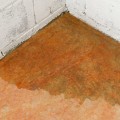
- Discolouration: Stains on walls or ceilings often indicate moisture presence.
- Peeling Paint or Wallpaper: This can be a sign that water is trapped beneath the surface.
- Mould Growth: The appearance of mould or mildew is a clear indicator of excessive moisture.
- Warped or Buckled Walls: Structural changes in walls may suggest underlying water issues.
Types of Waterproofing Methods
When it comes to waterproofing walls, several methods are available, each with its own set of advantages and disadvantages.Understanding these options can help homeowners make informed decisions tailored to their specific needs.
Liquid Waterproofing
Liquid waterproofing involves applying a liquid membrane that forms a seamless barrier over the surface of the wall. This method is particularly effective for areas prone to water exposure, such as basements and bathrooms. The key benefits of liquid waterproofing include:- Seamless Application: The liquid form allows for easy coverage of complex shapes and joints, ensuring no gaps are left unsealed.
- Flexibility: Liquid membranes can accommodate minor movements in the structure without cracking, making them ideal for buildings that settle over time.
- Quick Drying: Many liquid waterproofing products dry quickly, allowing for faster project completion.
Membrane Waterproofing
Membrane waterproofing typically involves the installation of a physical barrier, such as a sheet membrane, which is applied to the exterior of the wall. This method is often used in commercial applications but can also be effective for residential properties.The advantages include:
- Durability: Membranes are generally robust and can withstand harsh environmental conditions.
- Long Lifespan: When installed correctly, membrane systems can last for decades without needing replacement.
Paint Waterproofing
Paint waterproofing involves applying a specially formulated waterproof paint to the wall surface. This method is often chosen for its ease of application and aesthetic appeal. Key benefits include:- Aesthetic Options: Waterproof paints come in various colours and finishes, allowing homeowners to enhance their property's appearance while protecting it from moisture.
- Cost-Effective: Compared to other methods, paint waterproofing is generally more affordable and can be a DIY project for those with some experience.
Step-by-Step Guide to Waterproofing Interior Walls
Waterproofing interior walls is essential for maintaining a dry and healthy living environment.Whether you are dealing with a damp basement or simply want to protect your home from moisture, following a systematic approach can yield effective results. Here’s a comprehensive step-by-step guide to help you through the process.
- Assess the Area : Before starting any waterproofing project, it’s crucial to assess the area you intend to treat. Look for signs of moisture, such as damp patches, mould growth, or peeling paint. Identifying the source of moisture is vital; it could be due to leaks, condensation, or poor drainage.
- Prepare the Surface : Clean the walls thoroughly to remove any dirt, dust, or loose paint.
Use a wire brush or scraper for stubborn areas. If mould is present, treat it with a mould remover before proceeding. Ensure that the surface is completely dry before applying any waterproofing products.
- Choose Your Waterproofing Method : There are several methods available for waterproofing interior walls:
- Waterproof Paints : These paints create a barrier against moisture. Look for high-quality options specifically designed for interior use.
- Liquid Membranes : A liquid waterproofing membrane can be applied directly to the wall.
This method involves rolling or spraying a polymer-modified asphalt product that forms a seamless barrier.
- Sealants and Caulks : For areas prone to leaks, such as around windows and doors, using silicone sealants can effectively prevent water ingress.
- Apply the Chosen Product : Follow the manufacturer’s instructions carefully when applying your chosen waterproofing product. For paints and membranes, use a brush or roller to ensure even coverage. If using sealants, apply them generously around joints and seams.
- Allow Proper Drying Time : After application, allow sufficient time for the product to cure as per the manufacturer’s guidelines. This step is crucial for ensuring maximum effectiveness.
- Test for Effectiveness : Once dry, conduct a simple test by spraying water on the wall to check for leaks.
If water beads up and rolls off, your waterproofing efforts have been successful.
- Maintain Regular Inspections : Regularly inspect your walls for any signs of moisture or damage. Early detection can save you from costly repairs in the future.
Step-by-Step Guide to Waterproofing Exterior Walls
Waterproofing exterior walls is a crucial step in maintaining the integrity of your home and preventing moisture-related issues. Here’s a comprehensive step-by-step guide to effectively waterproof your exterior walls.1.Assess the Condition of Your Walls
- Before starting any waterproofing project, inspect your walls for cracks, peeling paint, or signs of dampness.
Address any structural issues first, as these can compromise your waterproofing efforts.
- Use a moisture meter to check for dampness levels in the walls, especially if you suspect water ingress.
2.Clean the Surface
- Remove any dirt, mould, or loose paint from the wall surface using a pressure washer or a stiff brush. This ensures that the waterproofing materials adhere properly.
- If there are any existing coatings, consider scraping them off to expose the bare wall for better adhesion.
3.Repair Cracks and Holes
- Fill any cracks or holes with a high-quality exterior filler or caulk. Ensure that the filler is suitable for outdoor use and can withstand moisture.
- For larger cracks, consider using a flexible sealant that can accommodate movement in the wall.
4.Apply a Waterproofing Membrane
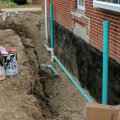
- Choose a liquid waterproofing membrane that is appropriate for your wall type. These membranes create a barrier against water penetration.
- Using a roller or brush, apply the membrane evenly across the surface, ensuring complete coverage.
Follow the manufacturer’s instructions regarding drying times and application thickness.
5.Use Waterproof Paint
- Once the membrane has dried, apply a coat of waterproof paint designed for exterior use. This adds an additional layer of protection against moisture.
- For optimal results, use a primer specifically formulated for waterproofing before applying the paint.
6.Install Drainage Solutions
- If your property is prone to water pooling around the foundation, consider installing drainage solutions such as French drains or gutters to redirect water away from your walls.
- This proactive measure can significantly reduce the risk of water damage over time.
7.Regular Maintenance
- After completing your waterproofing project, schedule regular inspections to check for signs of wear or damage. Touch up any areas as needed to maintain the integrity of your waterproofing system.
- Keep gutters clean and ensure that downspouts direct water away from your home’s foundation.
The Role of Professional Waterproofing Services
When it comes to waterproofing your walls, the decision to hire a professional service can significantly impact the effectiveness and longevity of the solution. While some homeowners may feel confident tackling minor waterproofing tasks themselves, there are specific scenarios where expert intervention is not just beneficial but essential.When to Hire a Professional
- Complex Issues: If you are dealing with persistent dampness, mould growth, or structural damage, these issues often indicate underlying problems that require a professional assessment.
Experts can identify the root cause of moisture intrusion, whether it’s due to poor drainage, foundation cracks, or inadequate ventilation.
- Large-Scale Projects: For extensive waterproofing projects, such as those involving basements or large commercial buildings, the expertise of professionals is invaluable. They possess the necessary equipment and knowledge to handle complex installations and ensure compliance with local building codes.
- Specialised Techniques: Certain waterproofing methods, such as installing a liquid waterproofing membrane or applying high-quality sealants, require specific skills and experience. Professionals are trained in these techniques and can execute them effectively to provide long-lasting protection.
Benefits of Hiring Experts for Waterproofing
- Quality Assurance: Professional waterproofing services guarantee high-quality workmanship. They use premium materials and advanced techniques that are often not available to the average homeowner.
- Time Efficiency: Waterproofing can be a time-consuming process, especially if you lack experience.
Professionals can complete the job more quickly and efficiently, allowing you to focus on other important tasks.
- Long-Term Savings: While hiring professionals may seem like an added expense initially, it can save you money in the long run. Properly executed waterproofing reduces the risk of future damage and costly repairs associated with water intrusion.
- Comprehensive Solutions: Experts can provide tailored solutions based on your specific needs. They will assess your property thoroughly and recommend the most effective waterproofing strategies.
Maintaining Waterproofed Walls: Tips and Best Practices
Once you have successfully waterproofed your walls, the next crucial step is to ensure their longevity through proper maintenance.Maintaining waterproofed walls not only preserves their integrity but also prevents potential issues such as dampness and mould growth. Here are some essential tips and best practices to keep your waterproofed surfaces in optimal condition.
- Regular Inspections: Conduct routine inspections of your waterproofed walls at least twice a year. Look for any signs of wear, such as peeling paint, cracks, or discolouration. Early detection of these issues can save you from more extensive repairs later on.
- Clean the Surface: Keep the surface of your waterproofed walls clean.
Use a mild detergent mixed with water to gently scrub away dirt and grime. Avoid harsh chemicals that could compromise the waterproofing layer.
- Check for Moisture: Use a moisture meter to check for dampness in the walls, especially in areas prone to moisture accumulation, like basements or bathrooms. If you detect high moisture levels, it may indicate that the waterproofing is failing and needs attention.
- Repair Damage Promptly: If you notice any cracks or damage in the waterproofing layer, address them immediately. Small cracks can be filled with a suitable sealant, while larger issues may require professional assessment and repair.
- Avoid Excessive Water Exposure: While your walls are waterproofed, it’s still important to manage water exposure effectively.
Ensure that gutters and downspouts are functioning correctly to direct water away from the foundation of your home.
- Maintain Landscaping: Keep plants and shrubs trimmed back from the walls to prevent moisture retention against the surface. Additionally, ensure that soil slopes away from the foundation to facilitate proper drainage.
- Reapply Waterproof Coatings: Depending on the type of waterproofing used, you may need to reapply coatings every few years. Check the manufacturer’s recommendations for specific products to ensure continued effectiveness.
Frequently Asked Questions about Waterproofing Walls
Waterproofing walls is a crucial aspect of maintaining the integrity of your home, yet many homeowners have questions about the process.Below are some frequently asked questions that can help clarify common concerns and misconceptions.
What is the best method for waterproofing walls?
The best method for waterproofing walls largely depends on the specific conditions of your property. For exterior walls, using a high-quality waterproof paint or coating is often recommended. These products create a barrier that prevents moisture from penetrating the wall surface. For basements or areas prone to flooding, installing a sump pump and applying a liquid waterproofing membrane can be effective solutions.How do I know if my walls need waterproofing?
Signs that your walls may require waterproofing include:- Visible damp patches or stains on the wall surface.
- Peeling or bubbling paint.
- Mould or mildew growth.
- A musty smell in enclosed spaces like basements.
Can I waterproof my walls myself?
While some homeowners may choose to undertake waterproofing as a DIY project, it’s important to understand that improper application can lead to more significant issues down the line.If you are not confident in your skills, hiring a professional can ensure that the job is done correctly and effectively.
What should I do if my waterproofing fails?
If you experience issues after waterproofing, such as persistent dampness or leaks, it’s essential to troubleshoot the problem. Check for:- Improper application of the waterproofing product.
- Cracks or gaps in the wall that may have been overlooked.
- Poor drainage around the foundation of your home.
Conclusion: Ensuring Long-Lasting Protection Against Water Damage
In conclusion, safeguarding your home against water damage is not merely a matter of aesthetics; it is a crucial aspect of maintaining the structural integrity and longevity of your property. The techniques discussed throughout this article highlight the importance of effective waterproofing methods and the necessity of regular waterproofing inspections .Implementing high-quality waterproofing solutions, such as liquid membranes, waterproof paints, and sealants, can significantly reduce the risk of moisture infiltration. These methods create a protective barrier that not only prevents water from penetrating walls but also inhibits the growth of mould and mildew, which can pose health risks to occupants.Moreover, it is essential to understand that waterproofing is not a one-time task but an ongoing process.Regular inspections are vital to identify potential vulnerabilities before they escalate into costly repairs. Homeowners should consider scheduling professional assessments at least once a year, particularly in areas prone to heavy rainfall or flooding.Additionally, being proactive about maintenance can save you from the headaches associated with water damage. Simple measures such as ensuring proper drainage around your property, clearing gutters, and checking for cracks in walls can go a long way in enhancing your home’s waterproofing.Ultimately, investing time and resources into proper waterproofing techniques and inspections will yield long-term benefits. Not only will it protect your home from the damaging effects of water, but it will also enhance its value and ensure a safe living environment for you and your family.
Remember, when it comes to protecting your home from water damage, prevention is always better than cure.