Slab foundations are a popular choice in modern construction, providing a solid base for various types of buildings. Essentially, a slab foundation consists of a large, flat concrete slab that is poured directly onto the ground. This type of foundation is particularly advantageous in regions where the soil is stable and does not experience significant freeze-thaw cycles. The simplicity of slab foundations not only reduces construction time but also lowers costs, making them an appealing option for many homeowners and builders alike.There are several common types of slab foundations, each designed to meet specific structural needs and environmental conditions.
The most prevalent types include monolithic slabs , which are poured in a single pour, creating a seamless foundation that integrates the footing and slab. Another type is the raised slab , which elevates the structure above ground level, often used in areas prone to flooding or moisture issues. Additionally, insulated slabs incorporate insulation materials within the concrete to enhance energy efficiency, making them ideal for colder climates.The benefits of slab foundations extend beyond their cost-effectiveness and ease of installation. They provide excellent stability and durability, reducing the risk of settling or shifting over time.
Furthermore, slab foundations can help mitigate pest infestations, as they create a barrier between the ground and the living space above. However, despite these advantages, it is crucial to consider the potential risks associated with moisture intrusion. This is where waterproofing becomes essential, ensuring that the integrity of the foundation is maintained and protecting the home from water damage.
What is Waterproofing and Why is it Necessary?
Waterproofing is a critical aspect of construction that involves applying various materials and techniques to prevent water from penetrating structures. This process is particularly vital for slab foundations, which are often directly in contact with the ground.Without adequate waterproofing, these foundations can be susceptible to moisture intrusion, leading to a host of problems.The necessity of waterproofing cannot be overstated. Water damage is one of the most common issues faced by homeowners and builders alike. It can lead to structural damage, mould growth, and deterioration of building materials. In slab foundations, moisture can seep through cracks or porous concrete, compromising the integrity of the foundation and potentially leading to costly repairs.Moreover, waterproofing plays a significant role in protecting mechanical systems that are often installed beneath the slab.
These systems include plumbing, electrical conduits, and HVAC components, all of which can be severely affected by water exposure. By implementing effective waterproofing measures, homeowners can safeguard these essential systems from water-related damage.There are numerous benefits associated with proper waterproofing:
- Prevention of Water Damage: Effective waterproofing keeps water at bay, reducing the risk of leaks and flooding within the home.
- Mould and Mildew Control: By preventing moisture accumulation, waterproofing helps inhibit the growth of mould and mildew, which can pose health risks to occupants.
- Enhanced Structural Integrity: A well-waterproofed foundation maintains its strength and durability over time, reducing the likelihood of cracks and other structural issues.
- Increased Property Value: Homes with robust waterproofing systems are often more attractive to buyers, as they signify a lower risk of future water-related problems.
- Energy Efficiency: Waterproofing can improve insulation properties by preventing moisture from affecting thermal performance, leading to lower energy bills.
The Role of Waterproofing Inspections
Waterproofing inspections play a crucial role in maintaining the integrity of structures, particularly those with slab foundations. These inspections are designed to identify potential vulnerabilities that could lead to water intrusion, which can cause significant damage over time.Understanding the purpose of waterproofing inspections is essential for homeowners and property managers alike.The primary aim of a waterproofing inspection is to assess the effectiveness of existing waterproofing measures and to detect any signs of moisture penetration. This process involves a thorough examination of various components, including:
- Foundation walls : Inspectors look for cracks, gaps, or signs of deterioration that may allow water to seep through.
- Drainage systems : Proper functioning of drainage systems is vital. Inspectors check for blockages or improper grading that could lead to water pooling around the foundation.
- Vapor barriers : The presence and condition of vapor barriers beneath the slab are evaluated to ensure they are intact and effective in preventing moisture migration.
- Exterior grading : The slope of the land surrounding the foundation is assessed to ensure it directs water away from the structure.
- Visual Assessment : A comprehensive visual inspection is performed both inside and outside the property. Inspectors look for visible signs of water damage, such as stains, mould growth, or efflorescence on walls.
- Moisture Testing : Tools such as moisture meters may be used to measure the moisture content in walls and floors, helping to identify hidden issues.
- Review of Drainage Systems : Inspectors will evaluate gutters, downspouts, and drainage channels to ensure they are functioning correctly and directing water away from the foundation.
- Documentation : All findings are documented, providing a clear record of the inspection results and any recommended actions.
By identifying issues early, property owners can take proactive measures to address potential problems before they escalate. This not only protects the structural integrity of the building but also enhances its overall value and longevity.
Signs Your Slab Foundation Needs Waterproofing
Identifying the signs that your slab foundation may require waterproofing is crucial for maintaining the integrity of your home. Early detection can prevent extensive damage and costly repairs. Here are some key indicators to watch for:- Visible Water Stains: One of the most obvious signs of water intrusion is the presence of water stains on your walls or floors.
These stains can appear as discolouration or streaks, often indicating that moisture is seeping through the foundation.
- Musty Odours: A persistent musty smell in your home can be a sign of mould or mildew growth, which thrives in damp conditions. If you notice this odour, it may suggest that water is accumulating beneath your slab.
- Cracks in the Foundation: Small cracks are common in concrete, but larger or widening cracks can indicate serious issues. If you observe cracks that are more than a quarter-inch wide, it may be time to consider waterproofing solutions.
- Uneven Floors: If you notice that your floors are sloping or uneven, this could be a sign of settling or shifting in the foundation due to moisture-related issues. This instability can lead to further complications if not addressed promptly.
- Increased Humidity Levels: High humidity levels inside your home can be a direct result of moisture seeping through the foundation.
Using a hygrometer can help you monitor indoor humidity; levels above 60% may warrant further investigation.
- Pest Infestations: Certain pests, such as termites and ants, are attracted to damp environments. If you find an increase in pest activity, it could indicate that moisture is present in your slab foundation.
Methods of Waterproofing Slab Foundations
Waterproofing a slab foundation is crucial for maintaining the integrity of your home and preventing moisture-related issues.There are several methods and materials available for effective waterproofing, each with its own advantages and best practices.
Types of Waterproofing Methods
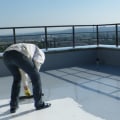
- Membrane Waterproofing: This method involves applying a waterproof membrane to the surface of the slab. These membranes can be made from various materials, including rubber, PVC, or bituminous products. They create a barrier that prevents water from penetrating the foundation.
- Cementitious Waterproofing: A cement-based product is mixed with water and applied to the surface of the slab. This method is particularly effective for areas that may experience high moisture levels, as it forms a strong bond with the concrete and provides excellent protection against water ingress.
- Liquid Waterproofing: Liquid waterproofing solutions are applied directly to the slab in a liquid form, which then cures to form a seamless waterproof layer.
This method is versatile and can be used on both horizontal and vertical surfaces.
- Crystalline Waterproofing: This innovative method involves adding crystalline compounds to the concrete mix or applying them as a coating. These compounds react with moisture to form crystals that block water pathways within the concrete, effectively sealing it against water intrusion.
Best Practices for Effective Waterproofing
To ensure optimal results when waterproofing your slab foundation, consider the following best practices:- Conduct a Thorough Inspection: Before applying any waterproofing method, perform a comprehensive inspection of the foundation to identify potential problem areas such as cracks or drainage issues.
- Choose Quality Materials: Invest in high-quality waterproofing materials that are suitable for your specific environment and foundation type. Cheaper options may save money initially but can lead to costly repairs in the long run.
- Ensure Proper Application: Follow manufacturer guidelines meticulously during application. Improper installation can compromise the effectiveness of the waterproofing system.
- Maintain Drainage Systems: Ensure that gutters, downspouts, and drainage systems are functioning correctly to divert water away from the foundation.
This will reduce the amount of moisture that comes into contact with the slab.
The Cost of Waterproofing Inspections and Services
When considering the cost of waterproofing inspections and services, it is essential to understand the various factors that can influence pricing. The expenses associated with waterproofing can vary significantly based on the size of the property, the complexity of the foundation, and the specific services required.Typically, a waterproofing inspection can range from £200 to £600, depending on the location and the inspector's expertise. This initial assessment is crucial as it identifies potential issues that may not be visible to the untrained eye. During this inspection, professionals will evaluate the foundation for signs of moisture intrusion, cracks, and other vulnerabilities that could lead to more significant problems if left unaddressed.Once an inspection is completed, homeowners may need to budget for actual waterproofing services.The cost for these services can vary widely:
- Interior Waterproofing: This method typically costs between £1,500 and £4,000. It involves applying sealants or membranes to prevent moisture from entering through walls or floors.
- Exterior Waterproofing: More comprehensive than interior solutions, this approach can range from £3,000 to £10,000. It often includes excavation around the foundation to apply waterproof membranes and drainage systems.
- Drainage Systems: Installing a proper drainage system can add another £1,000 to £5,000 to your budget. This is crucial for directing water away from the foundation.
Regular inspections every few years can help catch potential issues early and may cost around £100 to £300 each time. Investing in preventative measures can save significant amounts in future repairs.Ultimately, when budgeting for foundation waterproofing, it is wise to obtain multiple quotes from reputable contractors. This not only provides a clearer picture of potential costs but also allows homeowners to compare services offered. Remember that while it may be tempting to opt for the cheapest option available, quality should never be compromised when it comes to protecting your home from water damage.
DIY vs Professional Waterproofing: What You Need to Know
When it comes to waterproofing a slab foundation, homeowners often face the dilemma of choosing between a DIY approach and hiring professional waterproofing services.Each option has its own set of advantages and disadvantages, which can significantly impact the effectiveness of the waterproofing process.
DIY Waterproofing
- Cost-Effective: One of the primary reasons homeowners opt for DIY waterproofing is the potential cost savings. By purchasing materials and doing the work themselves, they can avoid labour costs associated with hiring professionals.
- Control Over the Process: DIY projects allow homeowners to have complete control over the waterproofing process. They can choose the materials, methods, and timeline that best suit their needs.
- Learning Experience: Engaging in a DIY project can be educational. Homeowners gain valuable skills and knowledge about their property, which can be beneficial for future maintenance.
- Lack of Expertise: Without professional training, homeowners may not fully understand the complexities involved in effective waterproofing.
This could lead to improper application and ultimately result in water damage.
- Time-Consuming: DIY projects can take significantly longer than anticipated, especially if unexpected issues arise. This can lead to prolonged exposure to moisture if not handled promptly.
- Quality of Materials: Homeowners may not have access to high-quality materials or may choose inferior products that do not provide adequate protection.
Professional Waterproofing Services
- Expertise and Experience: Professionals bring a wealth of knowledge and experience to the table. They are familiar with various waterproofing techniques and can recommend the best solutions tailored to specific conditions.
- Quality Assurance: Hiring professionals often comes with warranties or guarantees on their work, providing peace of mind that the job will be done correctly.
- Efficiency: Professionals have the tools and manpower to complete the job more quickly than most homeowners could manage on their own.
- Higher Costs: Professional services typically come at a premium price, which may not fit every homeowner's budget.
- Lack of Control: Homeowners may feel less involved in the process when relying on professionals, which can lead to dissatisfaction if expectations are not met.
Frequently Asked Questions about Waterproofing Inspections
Waterproofing inspections are crucial for maintaining the integrity of your property, especially if you have a slab foundation.Here are some frequently asked questions that can help clarify the importance and process of waterproofing inspections.
What is a waterproofing inspection?
A waterproofing inspection is a thorough evaluation of a building's foundation and surrounding areas to identify potential water intrusion points. This inspection assesses the effectiveness of existing waterproofing measures and determines if additional steps are necessary to prevent moisture-related issues.Why is a waterproofing inspection important?
Conducting a waterproofing inspection is essential for several reasons:- Prevention of Damage: Water intrusion can lead to significant structural damage, mould growth, and deterioration of building materials.
- Cost Savings: Identifying and addressing waterproofing issues early can save homeowners from costly repairs in the future.
- Health Concerns: Moisture problems can contribute to poor indoor air quality, which may affect the health of occupants.
How often should I have a waterproofing inspection?
The frequency of waterproofing inspections can depend on various factors, including the age of the property, local climate conditions, and any previous water issues. Generally, it is advisable to have an inspection every 3 to 5 years or after significant weather events, such as heavy rainfall or flooding.What does a waterproofing inspection involve?
A comprehensive waterproofing inspection typically includes:- Visual Assessment: Inspectors will examine the foundation walls, floors, and surrounding landscape for signs of water damage or inadequate drainage.
- Moisture Testing: Tools may be used to measure moisture levels in walls and floors to identify hidden leaks.
- Drainage Evaluation: The effectiveness of existing drainage systems will be assessed to ensure they are functioning properly.
Can I perform a waterproofing inspection myself?
While homeowners can conduct basic visual checks for obvious signs of water damage, it is recommended to hire a professional for a thorough waterproofing inspection. Experts have the experience and tools necessary to identify subtle issues that may not be apparent to an untrained eye.What should I do if my property fails a waterproofing inspection?
If your property does not pass a waterproofing inspection, it is crucial to address the identified issues promptly.This may involve:
- Repairing Cracks: Fill any cracks in the foundation with appropriate sealants.
- Improving Drainage: Ensure that gutters and downspouts direct water away from the foundation.
- Installing Additional Waterproofing Measures: Consider applying sealants or membranes as recommended by your inspector.
Conclusion: The Importance of Regular Waterproofing Inspections for Slab Foundations
In conclusion, the significance of regular waterproofing inspections for slab foundations cannot be overstated. These inspections serve as a proactive measure to identify potential issues before they escalate into costly repairs. By ensuring that your foundation is adequately protected against moisture intrusion, you not only safeguard the structural integrity of your home but also enhance its overall longevity.One of the primary benefits of conducting routine waterproofing inspections is the early detection of vulnerabilities. Over time, even the most robust waterproofing systems can degrade due to environmental factors, wear and tear, or improper installation.Regular inspections allow homeowners to assess the condition of their waterproofing measures and make necessary adjustments or repairs. This vigilance can prevent water damage that might compromise the foundation and lead to more extensive structural problems.Moreover, a well-maintained waterproofing system contributes to improved indoor air quality. Moisture accumulation beneath a slab foundation can lead to mould growth and other health hazards. By prioritising waterproofing inspections, homeowners can mitigate these risks, ensuring a healthier living environment for their families.Additionally, it is essential to consider the financial implications of neglecting waterproofing inspections.
The cost of repairing water damage or addressing foundation issues can far exceed the investment in regular inspections and maintenance. By adopting a proactive approach, homeowners can save significant amounts in the long run.In summary, regular waterproofing inspections are a critical component of maintaining slab foundations. They not only protect against moisture-related damage but also promote a healthier living space and safeguard your investment. Homeowners should schedule these inspections as part of their routine home maintenance to ensure their properties remain safe and sound for years to come. The cost of repairing water damage or addressing foundation issues can far exceed the investment in regular inspections and maintenance. By adopting a proactive approach, homeowners can save significant amounts in the long run.In summary, regular waterproofing inspections are a critical component of maintaining slab foundations. They not only protect against moisture-related damage but also promote a healthier living space and safeguard your investment. Homeowners should schedule these inspections as part of their routine home maintenance to ensure their properties remain safe and sound for years to come.