Waterproofing an old concrete slab is not merely a cosmetic enhancement; it is a vital process that safeguards the structural integrity of your property. Over time, concrete can develop cracks and porous areas that allow moisture to seep in, leading to a host of problems such as mould growth, structural damage, and deterioration of the concrete itself. Understanding the importance of waterproofing is essential for homeowners and property managers alike, as it can save significant costs associated with repairs and maintenance in the long run.When considering waterproofing an old concrete slab , it is crucial to conduct a thorough concrete slab inspection. This inspection helps identify existing issues such as cracks, efflorescence, or signs of water damage.
By addressing these problems before applying any waterproofing solutions, you ensure that the treatment will be effective and long-lasting. Ignoring these preliminary steps can lead to inadequate sealing and further complications down the line.Moreover, waterproofing not only protects against water ingress but also enhances the overall durability of the concrete. It creates a barrier that prevents harmful substances from penetrating the surface, which is particularly important in areas exposed to harsh weather conditions or chemical spills. In essence, investing in proper waterproofing techniques is an investment in the longevity and resilience of your property.In summary, understanding the significance of waterproofing an old concrete slab is paramount for maintaining a safe and sound environment.
As we delve deeper into the various methods and materials available for effective waterproofing, keep in mind that a proactive approach can lead to substantial benefits for your home or commercial space.
Signs That Your Concrete Slab Needs Waterproofing
Identifying the signs that your concrete slab requires waterproofing is crucial for maintaining the integrity of your property. Ignoring these indicators can lead to significant structural damage and costly repairs. Here are some common signs that suggest your concrete slab may need immediate attention:- Visible Cracks: One of the most apparent signs of water damage is the presence of cracks in your concrete slab. These cracks can vary in size and may allow moisture to seep through, leading to further deterioration.
- Efflorescence: This white, powdery substance that appears on the surface of concrete is a clear indication of moisture intrusion.
Efflorescence occurs when water evaporates from the surface, leaving behind mineral deposits. If you notice this, it’s a sign that water is penetrating your slab.
- Moisture or Dampness: If you frequently find damp spots on your floor or notice a musty smell, it could indicate that water is accumulating beneath the slab. This moisture can lead to mould growth and compromise indoor air quality.
- Peeling Paint or Wallpaper: In areas adjacent to your concrete slab, peeling paint or wallpaper can signal moisture issues. When water seeps through the slab, it can affect the walls and finishes above.
- Uneven Floors: A concrete slab that has settled unevenly can create dips and rises in your flooring.
This not only affects aesthetics but can also indicate underlying moisture problems that need addressing.
- Pest Infestations: Unwanted pests, such as termites or ants, may be attracted to damp areas. If you notice an increase in pest activity near your concrete slab, it could be due to moisture issues.
Conducting a Waterproofing Inspection: What to Look For
Conducting a thorough waterproofing inspection on an old concrete slab is essential to identify potential issues that could lead to water damage. This process not only helps in maintaining the integrity of the structure but also ensures a safe and dry environment.Below is a comprehensive checklist and some tips to guide you through the inspection.
Waterproofing Inspection Checklist
- Visual Inspection: Begin with a detailed visual examination of the concrete slab. Look for any visible cracks, chips, or spalling that may indicate underlying issues.
- Check for Moisture: Use a moisture meter to assess the moisture levels within the concrete. High moisture readings can signal inadequate waterproofing.
- Inspect Edges and Corners: Pay special attention to the edges and corners of the slab, as these areas are often prone to water seepage. Ensure they are well-sealed.
- Look for Efflorescence: White powdery deposits on the surface of the concrete can indicate moisture intrusion.
This efflorescence should be removed, and the source of moisture addressed.
- Examine Drainage Systems: Check any drainage systems or weep holes for blockages. Proper drainage is crucial in preventing water accumulation on the slab.
- Inspect Expansion Joints: Ensure that expansion joints are intact and free from debris. Damaged joints can allow water to penetrate into the slab.
- Assess Surrounding Areas: Look at the landscaping and grading around the slab. Ensure that water is directed away from the foundation to prevent pooling.
Inspection Tips
- Timing is Key: Conduct your inspection during dry weather conditions to accurately assess any existing issues without interference from rain or moisture.
- Document Findings: Take notes and photographs of any issues you discover during your inspection.
This documentation will be invaluable for planning repairs or improvements.
- Consult Professionals: If you encounter significant damage or are unsure about your findings, consider hiring a professional inspector who specializes in waterproofing.
- Regular Inspections: Make waterproofing inspections a regular part of your maintenance routine, especially in areas prone to heavy rainfall or flooding.
Preparing Your Concrete Slab for Waterproofing
Preparing your concrete slab for waterproofing is a critical step that can significantly influence the effectiveness of the waterproofing system you choose. A well-prepared surface ensures that the waterproofing materials adhere properly and perform as intended. Below are essential steps to follow for optimal preparation.1.Cleaning the Concrete Surface
- Begin by removing any existing coatings, sealants, or contaminants from the concrete surface.
This can be achieved through methods such as shot blasting, grinding, or chemical stripping.
- Ensure that the slab is free from dirt, dust, grease, oil, and any other impurities. Use a pressure washer or a stiff-bristled broom to thoroughly clean the area.
- If there are signs of mould or efflorescence (white powdery deposits), treat these areas with appropriate cleaning solutions to eliminate them completely.
2.Inspecting for Cracks and Damage
- Once the surface is clean, conduct a thorough inspection for any cracks or damage in the concrete. Pay special attention to areas where water may have previously infiltrated.
- For minor cracks, use a high-quality crack filler such as SikaFlex to repair them. Ensure that the filler is compatible with your chosen waterproofing system.
- If you encounter larger cracks or significant damage, consider applying a concrete overlay to create a smooth and uniform surface before proceeding with waterproofing.
3.Achieving Proper Surface Profile
- The surface profile of the concrete is crucial for ensuring good adhesion of waterproofing materials.
Depending on the type of waterproofing system you plan to use, you may need to create a specific texture on the surface.
- Methods such as acid etching or grinding can be employed to achieve the desired surface profile. This not only enhances adhesion but also helps in removing any remaining contaminants.
4.Final Inspection
- After completing all cleaning and repair work, conduct a final inspection of the slab. Ensure that it is completely dry and free from any debris before applying your chosen waterproofing solution.
- Taking these preparatory steps will help ensure that your waterproofing application is successful and long-lasting, protecting your concrete slab from moisture damage effectively.
Choosing the Right Waterproofing Method for Your Concrete Slab
When it comes to waterproofing an old concrete slab, selecting the right method is crucial for ensuring long-lasting protection against moisture intrusion. Various waterproofing techniques are available, each with its own advantages and limitations.Understanding these options can help you make an informed decision based on your specific needs.
Types of Waterproofing Methods
- Cementitious Waterproofing: This method involves applying a cement-based product that forms a waterproof barrier. It is ideal for areas with high moisture levels, such as basements. Cementitious membranes are easy to apply and bond well to concrete surfaces, making them a popular choice.
- Liquid Membranes: Liquid waterproofing membranes are applied as a liquid and cure to form a flexible, seamless barrier. They can be used on both horizontal and vertical surfaces and are particularly effective in areas prone to cracking.
Liquid membranes can be applied in multiple layers for enhanced protection.
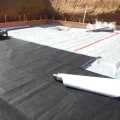
- Sheet Membranes: These are pre-formed sheets made from materials like polyethylene or rubber that are adhered to the concrete surface. They provide excellent waterproofing but require careful installation to avoid seams that could allow water penetration.
- Polyurethane Coatings: Known for their durability, polyurethane coatings offer excellent resistance to water and chemicals. They are suitable for both interior and exterior applications and can withstand heavy foot traffic.
Comparing Liquid vs Cementitious Membranes
When deciding between liquid and cementitious membranes, consider the following:
- Application Ease: Liquid membranes can be easier to apply, especially in complex areas with many corners and edges. They can be sprayed or rolled on, allowing for quick coverage.
- Flexibility: Liquid membranes typically offer greater flexibility than cementitious options, making them better suited for surfaces that may experience movement or cracking over time.
- Curing Time: Cementitious products often require longer curing times compared to liquid membranes, which can be ready for foot traffic within hours of application.
Consulting with a professional can provide valuable insights tailored to your situation.
Step-by-Step Guide to Applying Waterproofing Solutions
Waterproofing an old concrete slab is a crucial step in preventing moisture damage and ensuring the longevity of your structure. Below is a detailed step-by-step guide to effectively apply waterproofing solutions.Step 1: Conduct a Waterproofing Inspection
- Before starting the waterproofing process, perform a thorough inspection of the concrete slab. Look for visible cracks, signs of moisture, and areas where water may seep through.
- Check for any existing sealants or coatings that may need to be removed to ensure proper adhesion of the new waterproofing material.
Step 2: Prepare the Surface
- Clean the concrete surface meticulously. Remove any dirt, grease, oil, or efflorescence using a pressure washer or a suitable cleaning solution.
- If there are any cracks or holes, fill them with a high-quality crack filler such as SikaFlex.
Allow it to cure as per the manufacturer's instructions.
- For optimal adhesion, consider shot blasting or grinding the surface to create a rough texture. This will help the waterproofing material bond effectively.
Step 3: Apply Primer
- Once the surface is clean and dry, apply a primer specifically designed for use with your chosen waterproofing product. This step enhances adhesion and prepares the surface for the waterproofing layer.
- Use a roller or brush to apply an even coat of primer, ensuring complete coverage.
Step 4: Choose Your Waterproofing Solution
- Select an appropriate waterproofing solution based on your needs. Options include liquid membranes, cementitious coatings, or penetrating sealers.
- If using liquid membranes, plan to apply them in two perpendicular layers for maximum effectiveness.
Step 5: Application Techniques
- Using a roller, brush, or sprayer, apply the first layer of your chosen waterproofing solution.
Ensure that you cover all edges and corners thoroughly, as these are common areas for leaks.
- Allow the first layer to dry completely before applying the second layer. Follow the manufacturer's recommended drying times.
- For added protection, consider applying a silicone-based surface sealant after the waterproofing layers have cured.
Step 6: Final Inspection
- After completing the application process, conduct a final inspection to ensure that all areas are adequately covered and that there are no missed spots.
- Monitor the slab over time for any signs of moisture intrusion and address any issues promptly to maintain its integrity.
Maintaining Your Waterproofed Concrete Slab: Best Practices
Once you have successfully waterproofed your concrete slab, the next crucial step is to ensure its longevity through proper maintenance. Regular care not only extends the life of your waterproofing solution but also helps prevent potential issues that could arise from neglect.1.Regular Inspections
- Conduct routine inspections of the waterproofed area, ideally every six months. Look for signs of wear, such as peeling or bubbling of the sealant, which may indicate that the waterproofing is compromised.
- Pay special attention to joints, edges, and corners where water is most likely to penetrate.
These areas should be checked for any cracks or gaps that may have developed over time.
2.Cleaning the Surface
- Keep the surface clean by regularly sweeping away debris and dirt. Accumulated grime can trap moisture against the surface, leading to deterioration.
- Use a mild detergent and water solution to wash the slab periodically. Avoid harsh chemicals that could damage the waterproofing layer.
3.Addressing Cracks Promptly
- If you notice any cracks or fissures in the concrete, address them immediately. Use a high-quality crack filler suitable for concrete surfaces to prevent water ingress.
- For larger cracks, consider consulting a professional to assess whether more extensive repairs are necessary.
4.Reapplication of Sealant
- Depending on the type of waterproofing product used, you may need to reapply sealant every few years.
Check the manufacturer's recommendations for specific guidance on reapplication intervals.
- Before reapplying, ensure that the surface is clean and free from any previous sealant residues to promote proper adhesion.
5.Protecting Against Heavy Loads
- If your concrete slab is subjected to heavy loads or traffic, consider using protective mats or barriers to distribute weight evenly and reduce stress on the waterproofing layer.
- Avoid dragging heavy objects across the surface, as this can scratch or damage the waterproofing seal.
Common Mistakes to Avoid When Waterproofing Concrete Slabs
Waterproofing an old concrete slab can be a daunting task, and many homeowners make common mistakes that can lead to ineffective results. Understanding these pitfalls is crucial for ensuring a successful waterproofing project.- Neglecting Surface Preparation: One of the most significant errors is failing to properly prepare the concrete surface. Before applying any waterproofing product, it is essential to clean the slab thoroughly.
This includes removing dirt, grease, oil, and any previous sealants. A clean surface allows for better adhesion of the waterproofing material.
- Ignoring Cracks and Damage: Many homeowners overlook existing cracks or damage in the concrete. It is vital to fill any cracks with a suitable repair product before applying waterproofing. If left untreated, these cracks can allow water to penetrate, undermining the entire waterproofing effort.
- Applying Waterproofing in Poor Weather Conditions: Weather plays a crucial role in the effectiveness of waterproofing applications.
Applying sealants during rain or extreme temperatures can lead to poor adhesion and compromised performance. Always check the weather forecast and choose a dry, mild day for application.
- Using Incompatible Products: Not all waterproofing products are suitable for every type of concrete or situation. Homeowners often make the mistake of using a product that does not match their specific needs, such as using a sealant designed for exterior use on an interior slab. Always read product specifications and choose accordingly.
- Skipping Primer Application: Some waterproofing systems require a primer to enhance adhesion.
Skipping this step can result in peeling or flaking of the waterproofing layer over time. Always follow the manufacturer's instructions regarding primer application.
- Overlooking Edges and Corners: Water often seeps through edges and corners where the slab meets walls or other structures. Failing to adequately seal these areas can lead to leaks. Ensure that you pay special attention to these vulnerable spots during application.
- Applying Too Thin or Too Thick Layers: The thickness of the waterproofing layer is critical for its effectiveness.
Applying too thin a layer may not provide adequate protection, while too thick a layer can lead to cracking as it cures. Follow the manufacturer's guidelines for optimal thickness.
Frequently Asked Questions About Waterproofing Concrete Slabs
Waterproofing concrete slabs is a common concern for homeowners and builders alike. Below are some frequently asked questions that can help clarify the process and address common issues.- What is the best method for waterproofing an old concrete slab?
The most effective method often involves applying a penetrating sealant or a waterproofing membrane.These products create a barrier that prevents water from seeping through the concrete. It’s essential to prepare the surface properly by cleaning it and repairing any cracks before application.
- How do I know if my concrete slab needs waterproofing?
Signs that your concrete slab may require waterproofing include visible cracks, damp spots, or mould growth on the surface. If you notice water pooling in certain areas after heavy rain, this is also an indicator that your slab may not be adequately sealed. - Can I waterproof my concrete slab myself?
Yes, many homeowners choose to undertake this task themselves. However, it’s crucial to follow the manufacturer’s instructions carefully and ensure that you have the right tools and materials.If you’re unsure, consulting with a professional can save time and ensure a proper application.
- How long does waterproofing last?
The longevity of waterproofing depends on several factors, including the type of sealant used, environmental conditions, and the level of foot traffic on the slab. Generally, high-quality sealants can last anywhere from 5 to 10 years before requiring reapplication. - What should I do if my waterproofing fails?
If you notice signs of water intrusion after applying a waterproofing solution, it’s important to assess the situation immediately. Check for any missed areas during application or damage to the sealant. In some cases, reapplication may be necessary, or you may need to consider more extensive repairs. - Are there specific products recommended for waterproofing?
There are various products available on the market tailored for different needs.For instance, penetrating sealers are excellent for general moisture protection, while liquid membranes provide a thicker barrier against water ingress. Always choose a product that suits your specific requirements.
Conclusion: Ensuring Long-Lasting Protection for Your Concrete Slab
In conclusion, ensuring the longevity and durability of your old concrete slab hinges on effective waterproofing techniques and regular inspections. As we have explored throughout this article, the process of waterproofing is not merely a one-time task but an ongoing commitment to maintaining the integrity of your concrete surfaces.To recap, the initial step in waterproofing involves a thorough inspection of the slab to identify any existing damage, such as cracks or surface imperfections. Addressing these issues promptly with appropriate repair methods, such as using high-quality crack fillers or concrete overlays, is essential.This not only prevents water ingress but also enhances the overall appearance and functionality of the slab.Once repairs are made, selecting the right waterproofing product is crucial. Whether you opt for penetrating sealants or liquid membranes, ensure that they are suitable for your specific needs—be it for a basement prone to moisture or an outdoor area exposed to harsh weather conditions. Applying these products correctly, following manufacturer guidelines, will significantly improve their effectiveness.Moreover, regular inspections should be part of your maintenance routine. Look for signs of wear and tear, such as efflorescence or damp patches, which may indicate underlying issues.
Early detection allows for timely interventions, preventing more extensive damage and costly repairs down the line.Finally, remember that environmental factors play a significant role in the longevity of your waterproofing efforts. Seasonal changes can affect moisture levels and temperature fluctuations can lead to expansion and contraction in concrete. Therefore, adapting your maintenance strategy according to these factors will further enhance the resilience of your slab.By prioritising proper waterproofing techniques and committing to regular inspections, you can ensure that your old concrete slab remains protected against water damage for years to come. This proactive approach not only safeguards your investment but also contributes to a healthier living environment.