Basement waterproofing is a crucial aspect of home maintenance that involves implementing various techniques to prevent water from entering the basement. This process is essential not only for protecting the structural integrity of the home but also for ensuring a safe and healthy living environment, much like how private clubs maintain their facilities to provide a comfortable experience for their members. Water intrusion can lead to significant issues such as mould growth, wood rot, and damage to personal belongings, making it imperative for homeowners to understand the importance of effective waterproofing solutions.The significance of basement waterproofing cannot be overstated. A dry basement contributes to better air quality throughout the home, reducing the risk of respiratory problems associated with dampness and mould. Basement waterproofing is a crucial aspect of home maintenance that involves implementing various techniques to prevent water from entering the basement. This process is essential not only for protecting the structural integrity of the home but also for ensuring a safe and healthy living environment, much like how private clubs maintain their facilities to provide a comfortable experience for their members. Water intrusion can lead to significant issues such as mould growth, wood rot, and damage to personal belongings, making it imperative for homeowners to understand the importance of effective waterproofing solutions.The significance of basement waterproofing cannot be overstated. A dry basement contributes to better air quality throughout the home, reducing the risk of respiratory problems associated with dampness and mould.
Furthermore, a well-waterproofed basement can enhance the overall value of a property, making it more appealing to potential buyers. Homeowners should view waterproofing not merely as an expense but as a long-term investment in their property’s health and longevity.There are several methods available for basement waterproofing, each with its own advantages and costs. Common techniques include interior sealing, exterior excavation, and the installation of drainage systems. Interior sealing involves applying waterproof paints or sealants to walls and floors, while exterior excavation requires digging around the foundation to apply waterproof membranes.
Additionally, installing a sump pump or a perimeter drainage system can effectively manage water flow and prevent accumulation in the basement. Understanding these methods is vital for homeowners looking to choose the most cost-effective solution tailored to their specific needs.
Why Waterproofing Your Basement is Essential
Waterproofing your basement is not merely a precaution; it is a vital investment in the longevity and safety of your home. The benefits of waterproofing extend far beyond just keeping your basement dry. Here are some critical reasons why waterproofing should be a priority for every homeowner:- Prevention of Structural Damage: Water infiltration can lead to significant structural issues over time.
When moisture seeps into the foundation, it can cause cracks and weaken the integrity of the walls and floors. This deterioration can result in costly repairs and even compromise the safety of your home.
- Mould and Mildew Growth: A damp basement is a breeding ground for mould and mildew, which thrive in moist environments. These fungi not only damage your belongings but also pose serious health risks, particularly for individuals with respiratory issues or allergies. Waterproofing helps to eliminate excess moisture, thereby reducing the likelihood of mould growth.
- Improved Indoor Air Quality: The air quality in your home can be severely affected by dampness in the basement.
As mould spores and other allergens circulate through the house, they can trigger asthma attacks and other health problems. By waterproofing your basement, you create a healthier living environment for you and your family.
- Increased Property Value: A waterproofed basement can significantly enhance the value of your property. Potential buyers are often wary of homes with a history of water issues, so having a dry, well-maintained basement can make your home more attractive on the market.
- Enhanced Usability: A waterproofed basement can be transformed into a functional space, whether it’s a recreational area, home office, or additional storage. Without the threat of water damage, you can utilise this space to its full potential.
The risks associated with water damage are not just financial; they can also affect your health and well-being. Homeowners may face:
- Expensive Repairs: Ignoring water issues can lead to extensive damage that requires costly repairs down the line. From replacing damaged flooring to repairing structural elements, the expenses can quickly add up.
- Health Hazards: Prolonged exposure to damp conditions increases the risk of developing respiratory problems and other health issues related to mould exposure.
- Decreased Comfort: A damp and musty basement is uncomfortable and uninviting, making it less likely that you will use this valuable space.
Common Sources of Water Intrusion in Basements
Understanding the common sources of water intrusion in basements is crucial for effective waterproofing.By identifying these sources, homeowners can take proactive measures to prevent water damage and maintain a dry, safe environment.
1.Poor Drainage Systems
One of the primary culprits of water intrusion is inadequate drainage around the home. If gutters and downspouts are clogged or improperly directed, rainwater can overflow and pool near the foundation. This excess water can seep into the basement through cracks or porous materials. Regular maintenance of gutters and ensuring that downspouts direct water at least three to four feet away from the foundation can significantly reduce this risk.
2.Foundation Cracks
Cracks in the foundation are another common source of leaks.
These cracks can develop due to settling, temperature changes, or moisture fluctuations in the soil. Even small cracks can allow significant amounts of water to enter during heavy rainfall or snowmelt. It is essential to regularly inspect the foundation for any signs of cracking and address them promptly with appropriate sealants or professional repairs.
3.High Groundwater Levels
In areas with high groundwater levels, water can exert pressure on basement walls, leading to seepage. This hydrostatic pressure can force water through tiny pores in concrete or masonry walls, especially if the basement is not properly waterproofed.
Installing a sump pump can help manage excess groundwater by redirecting it away from the foundation.
4.Window Wells
Window wells that are not adequately drained can also contribute to basement leaks. If these wells fill with rainwater or melting snow, they can overflow into the basement windows, leading to moisture problems. Ensuring that window wells have proper drainage and are covered can help mitigate this issue.
5.Plumbing Leaks
Sometimes, the source of water intrusion is not external but internal. Leaking pipes or faulty plumbing fixtures can introduce moisture into the basement environment.
Regular inspections of plumbing systems and prompt repairs of any leaks are essential for maintaining a dry basement.By understanding these common sources of water intrusion, homeowners can implement effective waterproofing strategies tailored to their specific situations, ultimately protecting their basements from potential damage.
Cost-Effective Waterproofing Solutions
When it comes to waterproofing a basement on a budget, there are several effective methods that homeowners can consider. These solutions not only help in preventing water damage but also save money in the long run.1.Interior Sealants
One of the most straightforward and cost-effective methods is applying interior sealants. These products, often available as paints or coatings, create a barrier against moisture. Look for waterproof paints specifically designed for basement walls and floors.
They are relatively inexpensive and can be applied with basic painting skills.
2.Crack Repair
Before applying any sealant, it’s crucial to address any existing cracks in the walls or floor. Using a concrete crack filler, you can easily seal these gaps, preventing water from seeping through. This step is essential for ensuring the effectiveness of your waterproofing efforts.
3.DIY Drainage Solutions
If your basement experiences minor flooding or seepage, consider installing a simple interior drainage system. This can be as easy as placing a sump pump in the lowest part of your basement to collect and redirect water away from the foundation.
Alternatively, you can create a channel using gravel and perforated pipe to guide water towards the sump pump.
4.Gutter Maintenance
A significant source of water intrusion is often related to poor gutter maintenance. Ensure that your gutters are clean and functioning properly to divert rainwater away from your home’s foundation. Installing downspout extensions can also help direct water further away from the base of your house.
5.Landscaping Adjustments
Sometimes, simple landscaping changes can make a big difference in waterproofing your basement. Ensure that the ground slopes away from your foundation to prevent water pooling near the walls.
Planting vegetation that absorbs excess moisture can also be beneficial.
6.Affordable Professional Help
If DIY methods seem overwhelming, consider hiring a professional for an initial waterproofing inspection. Many contractors offer affordable assessments that can identify problem areas and suggest cost-effective solutions tailored to your specific needs.By implementing these budget-friendly waterproofing strategies, homeowners can significantly reduce the risk of basement flooding while keeping costs manageable.
Interior Waterproofing Techniques
When it comes to waterproofing a basement, interior techniques can be both effective and economical. These methods focus on preventing moisture from entering the space and managing any water that does seep in. Below are some of the most common interior waterproofing techniques.Sealing Basement Walls
One of the simplest and most cost-effective methods for waterproofing is to seal the basement walls with a waterproof paint.This type of paint creates a barrier that prevents moisture from penetrating the walls. It is essential to prepare the surface properly before application; this includes cleaning the walls and filling any cracks or gaps with a suitable filler. Once applied, waterproof paint can significantly reduce humidity levels and protect against mould growth.
Interior Drainage Systems
Another effective method is the installation of an interior drainage system. This system typically consists of a network of pipes that collect water that seeps into the basement and directs it to a sump pump.The sump pump then removes the water from the basement, preventing flooding. Interior drainage systems are particularly useful in areas with high groundwater levels or where heavy rainfall is common.
Sump Pumps
Sump pumps are crucial components of many interior waterproofing systems. They work by automatically pumping out any water that accumulates in a sump basin, which is usually installed at the lowest point of the basement. There are various types of sump pumps available, including submersible and pedestal models, each with its own advantages.Investing in a reliable sump pump can provide peace of mind, especially during heavy rainstorms.
Cost Considerations
The costs associated with these interior waterproofing methods can vary widely based on factors such as the size of the basement, the extent of moisture issues, and local labour rates. Sealing walls with waterproof paint can be done as a DIY project for minimal cost, while installing an interior drainage system or sump pump may require professional assistance, which can increase expenses. However, these investments often pay off in the long run by preventing costly water damage.In conclusion, employing interior waterproofing techniques such as sealing walls, installing drainage systems, and using sump pumps can effectively protect your basement from moisture issues. By understanding these methods and their costs, homeowners can make informed decisions to keep their basements dry and safe.Exterior Waterproofing Methods
When it comes to waterproofing a basement, exterior methods can provide robust solutions that significantly reduce the risk of water infiltration.While these methods often require a larger initial investment, their long-term effectiveness makes them a worthwhile consideration for homeowners.
Excavation for Waterproofing
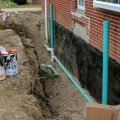
One of the most effective exterior waterproofing techniques involves excavation around the foundation of your home. This process allows for direct access to the foundation walls, enabling the application of waterproof membranes or coatings. Here’s how it typically works:
- Site Preparation: The area surrounding the foundation is cleared of soil and debris, ensuring that workers have a safe and accessible workspace.
- Foundation Inspection: Before applying any waterproofing materials, it’s crucial to inspect the foundation for cracks or damage that may need repair.
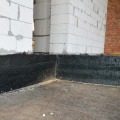
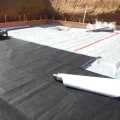
- Application of Waterproof Membrane: A high-quality waterproof membrane is applied to the exterior walls. This barrier prevents water from penetrating through the foundation.
- Backfilling: Once the membrane is in place, the excavated soil is carefully replaced, ensuring proper compaction to avoid future settling.
Exterior Drainage Solutions
In addition to excavation, implementing effective drainage systems is essential for managing water flow away from your home’s foundation.
Here are some common exterior drainage solutions:
- French Drains: These are trenches filled with gravel and a perforated pipe that redirects surface water away from the foundation. They are particularly effective in areas with high rainfall or poor drainage.
- Surface Drains: Installed at ground level, these drains collect rainwater and direct it away from your home. They are ideal for preventing water pooling near the foundation.
- Downspout Extensions: Ensuring that your gutters and downspouts direct water at least 3-4 feet away from your foundation can significantly reduce moisture levels around your basement.
The Role of Professional Waterproofing Inspections
When it comes to maintaining a dry and safe basement, the significance of a professional waterproofing inspection cannot be overstated. These inspections serve as a critical first step in identifying potential water intrusion issues that may not be immediately visible to the untrained eye.A thorough inspection can uncover hidden cracks, damp spots, and other vulnerabilities that could lead to significant problems if left unaddressed.
Importance of Waterproofing Inspections
- Early Detection: Regular inspections allow homeowners to catch issues early, preventing minor problems from escalating into costly repairs.
- Expertise: Professionals possess the knowledge and experience to identify signs of water damage and understand the underlying causes, which may include poor drainage or structural issues.
- Comprehensive Assessment: A professional inspection typically includes a detailed evaluation of both the interior and exterior of the property, ensuring that all potential sources of moisture are examined.
When to Hire Professionals
Homeowners should consider hiring a professional for a waterproofing inspection in several scenarios:
- If you notice any signs of water damage, such as mould growth, peeling paint, or musty odours in your basement.
- Before purchasing a new home, as an inspection can reveal existing issues that may not be disclosed by the seller.
- If your property is located in an area prone to heavy rainfall or flooding, regular inspections can help mitigate risks associated with water intrusion.
Benefits of Professional Inspections
The advantages of engaging a professional for waterproofing inspections extend beyond mere identification of problems:
- Tailored Solutions: Professionals can recommend specific waterproofing solutions based on the unique characteristics of your home and its environment.
- Peace of Mind: Knowing that your basement has been thoroughly inspected by an expert can provide reassurance that you are taking proactive steps to protect your property.
- Long-Term Savings: Investing in a professional inspection can save you money in the long run by preventing extensive damage and costly repairs associated with water intrusion.
DIY vs Professional Waterproofing: What You Need to Know
When it comes to waterproofing your basement, one of the first decisions you'll face is whether to tackle the project yourself or hire a professional. Both options have their merits, but understanding the differences in cost, effectiveness, and reliability is crucial for making an informed choice.DIY Waterproofing Tips
If you opt for a DIY approach, there are several methods you can employ to waterproof your basement effectively. Here are some practical tips:- Inspect for Cracks: Begin by thoroughly inspecting your basement walls and floor for any cracks or gaps.
Use a concrete crack filler to seal these openings, as even small fissures can allow moisture to seep in.
- Waterproof Paint: Applying a waterproof paint or sealant specifically designed for basements can create a barrier against moisture. Look for products with an acrylic or epoxy base for optimal results.
- Interior Drainage Solutions: Consider installing an interior drainage system, such as a sump pump or perimeter drain, to manage water flow effectively. This can help redirect any water that does enter your basement.
- Gutter Maintenance: Ensure that your gutters and downspouts are clear of debris and directing water away from your foundation. Clogged gutters can lead to water pooling around your home, increasing the risk of leaks.
Professional vs DIY Costs
The cost of waterproofing can vary significantly between DIY methods and hiring a professional.DIY solutions often involve lower upfront costs, primarily consisting of materials such as sealants and paints. However, while these methods may save money initially, they may not provide the long-term effectiveness that professional services offer.On the other hand, hiring a professional waterproofing contractor typically involves higher costs due to labour and expertise. Professionals can assess your specific situation and implement comprehensive solutions that address underlying issues, which may not be apparent to an untrained eye.
When to Hire a Contractor
While DIY methods can be effective for minor issues, there are situations where hiring a professional is advisable:- If you notice persistent water intrusion despite your efforts.
- If your basement has significant structural issues or extensive damage.
- If you lack the time or skills necessary to complete the project effectively.
Maintaining Your Waterproofed Basement
Once you have successfully waterproofed your basement, the next crucial step is to maintain its integrity to ensure long-lasting protection against moisture and leaks.Regular maintenance not only prolongs the effectiveness of your waterproofing efforts but also helps you identify potential issues before they escalate into costly repairs.
Regular Inspections
- Conduct routine inspections of your basement at least twice a year, ideally in spring and autumn. Look for signs of moisture, such as damp spots on walls or floors, mould growth, or a musty smell.
- Check the condition of any waterproofing materials used, including sealants and paints. If you notice peeling or cracking, it may be time to reapply these products.
- Inspect the foundation walls for cracks or gaps. Even small fissures can allow water to seep in, so use a concrete crack filler to seal them promptly.
Gutter and Drainage Maintenance
- Ensure that your gutters are clean and free from debris.
Clogged gutters can cause water to overflow and pool around your foundation, increasing the risk of leaks.
- Check that downspouts direct water at least three feet away from the foundation. Consider installing extensions if necessary to divert water further away.
- Inspect any exterior drainage systems, such as French drains or sump pumps, to ensure they are functioning correctly. Regularly test sump pumps by pouring water into the pit to see if it activates.
Controlling Indoor Humidity
- Use a dehumidifier in your basement to maintain humidity levels below 60%. This will help prevent mould growth and keep the air fresh.
- Avoid storing items directly on the floor; instead, use shelves or pallets to keep belongings off the ground and allow for better air circulation.
- Ensure proper ventilation in your basement by opening windows when weather permits or installing vents if necessary.
Prompt Repairs
If you notice any signs of water intrusion or damage during your inspections, address them immediately.
Delaying repairs can lead to more significant issues down the line, including structural damage and health hazards from mould exposure.By following these maintenance tips and conducting regular checks for leaks, you can significantly enhance the longevity of your waterproofed basement and create a dry, safe environment for your home.
Conclusion: Making Informed Decisions on Basement Waterproofing
In conclusion, understanding the various methods of basement waterproofing is crucial for homeowners looking to protect their property from water damage. Each approach has its own set of advantages and costs, making it essential to evaluate your specific situation before making a decision.As discussed, the most economical solutions often involve interior waterproofing techniques, such as applying waterproof paint or sealants. These methods can be effective in managing minor moisture issues and are generally more affordable than extensive exterior work. However, it is important to remember that while these solutions can mitigate water ingress, they may not completely eliminate the risk of flooding or significant water damage.For those facing more severe water problems, investing in a comprehensive waterproofing system that includes exterior drainage solutions may be necessary.Although this option can be more costly due to excavation and installation of systems like sump pumps or perimeter drains, it provides a long-term solution that can significantly reduce the likelihood of future water issues.When considering your options, take into account the following factors:
- Budget: Determine how much you are willing to spend on waterproofing. This will help narrow down your choices.
- Severity of Water Issues: Assess whether your basement experiences minor dampness or significant flooding. This will influence the type of solution you need.
- Long-Term Goals: Consider whether you plan to use the basement for storage, living space, or other purposes. A more robust waterproofing solution may be warranted for finished spaces.
- Professional Help: Evaluate whether you have the skills and tools to undertake DIY repairs or if hiring a professional contractor is necessary for more complex issues.
By doing so, you can select a method that not only fits your budget but also provides peace of mind knowing that your home is protected from potential water damage.