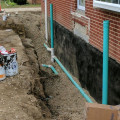
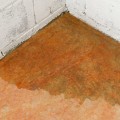
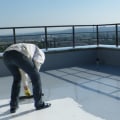
Waterproofing is a critical aspect of home maintenance, particularly in areas prone to moisture, such as bathrooms. At its core, waterproofing involves applying protective measures to prevent water from penetrating surfaces and causing damage. This process is essential not only for preserving the structural integrity of your home but also for safeguarding your health. Bathrooms are inherently damp environments due to the frequent use of water for bathing and washing, making them susceptible to mould growth and other moisture-related issues.The importance of waterproofing cannot be overstated.
Without adequate waterproofing, water can seep into walls, floors, and ceilings, leading to significant damage over time. This can manifest as rotting wood, peeling paint, and even structural failure in severe cases. Moreover, the presence of excess moisture creates an ideal breeding ground for mould and mildew, which can pose serious health risks, particularly for individuals with respiratory issues or allergies. Therefore, investing in proper waterproofing measures is not just about protecting your property; it’s also about ensuring a safe and healthy living environment.In addition to preventing damage and health hazards, effective bathroom waterproofing offers several benefits that enhance the overall functionality and comfort of your space.
For instance, a well-waterproofed bathroom can improve energy efficiency by reducing heat loss through cold walls and floors. This not only keeps your bathroom warmer during the colder months but can also lead to lower energy bills. Furthermore, waterproofing can extend the lifespan of your bathroom fixtures and finishes by preventing water-related deterioration.As we delve deeper into the topic of waterproofing inspections, it becomes clear that understanding the nuances of this process is vital for homeowners. Regular inspections can help identify potential vulnerabilities before they escalate into costly repairs.
By prioritising waterproofing in your bathroom renovation or maintenance plans, you are taking a proactive step towards protecting your home and enhancing your quality of life.
The Risks of Not Waterproofing Your Bathroom
Neglecting to waterproof your bathroom can lead to a multitude of risks that extend beyond mere inconvenience. The consequences of inadequate waterproofing can be severe, affecting both the structural integrity of your home and the health of its occupants.Structural Damage
One of the most significant risks associated with not waterproofing your bathroom is structural damage. Bathrooms are inherently wet environments, and without proper waterproofing measures, water can seep into walls, floors, and even the foundation. Over time, this moisture can cause:
- Wood Rot: Wooden structures, such as joists and subfloors, are particularly vulnerable.
Prolonged exposure to moisture can lead to wood rot, compromising the stability of your home.
- Masonry Damage: Brick and concrete can also suffer from water infiltration, leading to cracks and deterioration that may require costly repairs.
- Foundation Issues: Water pooling around the foundation can lead to serious structural problems, including shifting or settling that may necessitate extensive foundation work.
Mould Growth
Another critical concern is the potential for mould growth. Bathrooms that are not adequately waterproofed create an ideal environment for mould spores to thrive. Mould can develop in hidden areas such as behind tiles or under flooring, making it difficult to detect until it has spread significantly. The presence of mould poses several risks:
- Health Risks: Exposure to mould can lead to respiratory issues, allergic reactions, and other health problems, particularly for individuals with pre-existing conditions such as asthma or allergies.
- Odour Issues: Mould often produces a musty smell that can permeate your bathroom and adjacent rooms, creating an unpleasant living environment.
- Property Value Decrease: The presence of mould can deter potential buyers if you ever decide to sell your home, significantly impacting its market value.
Health Implications from Dampness
The health implications of living in a damp environment cannot be overstated.
In addition to mould, excessive moisture can lead to:
- Bacterial Growth: Damp areas are breeding grounds for bacteria, which can contribute to various health issues.
- Increased Allergens: Dust mites and other allergens thrive in humid conditions, exacerbating allergy symptoms for sensitive individuals.
What is a Waterproofing Inspection?
A waterproofing inspection is a critical assessment designed to evaluate the effectiveness of waterproofing measures in a bathroom or other wet areas of a home. This inspection aims to identify any potential weaknesses in the waterproofing system, ensuring that moisture does not compromise the structural integrity of your property. During this process, a qualified inspector will examine various components, including walls, floors, and fixtures, to ensure they are adequately protected against water damage.Homeowners can expect a thorough examination during a waterproofing inspection.The inspector will typically start by assessing visible areas for signs of water damage, such as stains, mould growth, or peeling paint. They may also check for any cracks or gaps in the waterproofing materials that could allow moisture to penetrate. Additionally, the inspector might use specialised tools, such as moisture meters, to detect hidden dampness within walls and floors.One of the key aspects of a waterproofing inspection is its proactive nature. By identifying issues early on, homeowners can address them before they escalate into more significant problems that could lead to costly repairs.
For instance, if an inspector discovers that the waterproof membrane is compromised, it can be replaced or repaired promptly, preventing further damage to the underlying structure.The importance of a waterproofing inspection cannot be overstated. Regular inspections help maintain the longevity of your bathroom and protect your investment in your home. They also play a vital role in safeguarding your family's health by preventing mould and mildew growth, which can thrive in damp environments. Furthermore, many insurance policies require proof of proper waterproofing measures; thus, having regular inspections can be beneficial when it comes time to file a claim.In summary, a waterproofing inspection is an essential part of maintaining a safe and healthy bathroom environment.
By understanding what to expect during an inspection and recognising its importance, homeowners can take proactive steps to ensure their properties remain protected from water damage.
Key Components of a Waterproofing Inspection
A thorough waterproofing inspection is essential for ensuring that your bathroom remains protected from moisture-related issues. During this inspection, several key components are evaluated to determine the effectiveness of existing waterproofing measures and to identify any potential vulnerabilities.- Surface Condition: Inspectors will assess the condition of all surfaces, including walls, floors, and ceilings. They look for signs of wear, cracks, or peeling paint that could indicate moisture penetration.
- Sealant Integrity: The quality and condition of sealants around fixtures such as sinks, bathtubs, and showers are examined. Any gaps or deterioration in these areas can lead to leaks.
- Drainage Systems: Proper drainage is crucial in a bathroom.
Inspectors will check the functionality of drains and ensure that water flows away from critical areas without pooling.
- Membrane Assessment: If a waterproof membrane has been installed, its integrity will be evaluated. This includes checking for punctures, tears, or improper installation that could compromise its effectiveness.
- Ventilation: Adequate ventilation is vital in preventing moisture buildup. Inspectors will assess the presence and functionality of exhaust fans and windows to ensure proper airflow.
- Subfloor Inspection: The condition of the subfloor is critical as it supports the entire structure. Inspectors will look for signs of water damage or rot that could indicate underlying issues.
- Check for visible signs of water damage on walls and ceilings.
- Inspect all sealants around fixtures for cracks or gaps.
- Ensure that drainage systems are clear and functioning properly.
- Look for any signs of mould or mildew growth.
- Verify that ventilation systems are operational and effective.
- Assess the condition of tiles and grout for any signs of wear or damage.
Signs Your Bathroom Needs Waterproofing Inspection
Identifying the signs that your bathroom requires a waterproofing inspection is crucial for maintaining the integrity of your home.Ignoring these indicators can lead to significant damage and costly repairs. Here are some key signs to watch for:
- Visible Water Stains: One of the most obvious signs of water damage is the presence of water stains on walls or ceilings. These stains can appear as discolouration or dark patches, indicating that moisture is seeping through.
- Mould and Mildew Growth: The presence of mould or mildew in your bathroom is a clear indicator of excess moisture. These fungi thrive in damp environments and can pose serious health risks, making it essential to address the underlying waterproofing issues.
- Peeling or Bubbling Paint: If you notice paint that is peeling, bubbling, or cracking, it may be a sign that water is trapped beneath the surface.
This can compromise not only the aesthetics of your bathroom but also its structural integrity.
- Soft or Spongy Flooring: A soft or spongy feel underfoot can indicate water damage beneath your flooring. This may suggest that water has penetrated the subfloor, leading to potential rot and instability.
- Unpleasant Odours: A musty smell in your bathroom often points to hidden moisture problems. If you detect persistent odours, it’s time to investigate further.
- Frequent Plumbing Issues: If you find yourself dealing with recurring plumbing problems, such as leaks or clogs, it may be a sign that your waterproofing system is failing and needs inspection.
Additionally, consider scheduling an inspection if:
- You are planning a bathroom renovation or remodel.
- Your bathroom experiences high humidity levels regularly.
- You live in an area prone to heavy rainfall or flooding.
The Process of Waterproofing Inspection
Conducting a waterproofing inspection is a critical step in ensuring that your bathroom remains protected from moisture-related damage. This process involves a thorough examination of various elements within the bathroom to identify any potential vulnerabilities. Here’s a detailed look at how waterproofing inspections are conducted and what you can expect during the process.1.Initial Assessment
The inspection begins with an initial assessment of the bathroom's overall condition.
The inspector will look for visible signs of water damage, such as:
- Discolouration on walls or ceilings
- Peeling paint or wallpaper
- Mould or mildew growth
- Soft or spongy flooring
2.Checking Seals and Grouts
Next, the inspector will closely examine the seals around fixtures such as sinks, toilets, and bathtubs. They will check:
- The integrity of caulking and sealants
- The condition of grout lines in tiled areas
- Any gaps or cracks that could allow water to seep through
3.Moisture Testing
To assess the moisture levels within the bathroom, inspectors often use specialised tools such as moisture meters. These devices help detect hidden moisture behind walls and under floors, which may not be visible to the naked eye. High moisture readings can indicate:
- Water intrusion from external sources
- Poor ventilation leading to condensation issues
- Leaking pipes or plumbing fixtures
4.Evaluating Drainage Systems
The inspector will also evaluate the drainage systems in place, including:
- Shower drains and their connections
- Sinks and bathtub drainage systems
- Any visible plumbing for signs of leaks or blockages
5.Recommendations and Reporting
After completing the inspection, the inspector will compile their findings into a detailed report.
This document will outline:
- The current condition of the bathroom's waterproofing measures
- Identified issues and potential risks
- Recommendations for repairs or improvements needed to enhance waterproofing effectiveness
Choosing the Right Waterproofing Contractor
When it comes to waterproofing your bathroom, selecting the right contractor is crucial for ensuring the longevity and effectiveness of the waterproofing system. A qualified waterproofing contractor can make a significant difference in the quality of work performed, so it’s essential to approach this decision with care.Research and Recommendations
Start by seeking recommendations from friends, family, or neighbours who have recently undertaken similar projects. Online reviews and ratings on platforms like Trustpilot or Google can also provide insights into the reputation of potential contractors. Look for professionals who specialise in waterproofing inspection and have a proven track record in the industry.
Questions to Ask Potential Contractors
- What is your experience with bathroom waterproofing? Ensure that the contractor has specific experience in waterproofing bathrooms, as this area has unique challenges.
- Can you provide references? A reputable contractor should be able to provide references from previous clients.
Contact these references to inquire about their satisfaction with the work.
- What materials do you use? Understanding the materials and methods used is essential. Ask if they use high-quality waterproof membranes and sealants that comply with industry standards.
- Do you offer a warranty? A reliable contractor should provide a warranty for their work, which can give you peace of mind regarding the durability of the waterproofing.
- How do you handle unexpected issues? Inquire about their process for dealing with unforeseen problems that may arise during the project. A good contractor will have a clear plan for addressing such issues.
Verify Credentials and Insurance
Before making a final decision, verify that the contractor holds the necessary licenses and certifications required in your area. Additionally, ensure they have adequate insurance coverage to protect against any potential accidents or damages that may occur during the project.
Get Multiple Quotes
It’s wise to obtain quotes from several contractors to compare pricing and services offered.
However, be cautious of quotes that seem significantly lower than others; this could indicate subpar materials or workmanship.By taking these steps, you can find a reliable waterproofing contractor who will ensure your bathroom remains safe and dry for years to come.
Cost Considerations for Waterproofing Inspections and Services
When considering waterproofing for your bathroom, understanding the cost of waterproofing inspections and services is crucial. The financial implications can vary significantly based on several factors, including the size of the bathroom, the extent of waterproofing required, and the specific materials used.Typically, a waterproofing inspection can range from £100 to £300, depending on the complexity of the job and the location of your property. This initial inspection is essential as it helps identify potential problem areas that may require attention before any waterproofing work begins.Once the inspection is complete, you can expect to pay between £500 and £1,500 for comprehensive bathroom waterproofing services. This price range often includes:- Materials: The type of waterproofing materials chosen can greatly influence costs.
High-quality membranes and sealants may be more expensive but offer better protection.
- Labour: Professional installation is recommended for effective waterproofing. Labour costs can vary based on the contractor's experience and your geographical location.
- Size of the Area: Larger bathrooms will naturally incur higher costs due to increased material and labour requirements.
- Existing Conditions: If your bathroom has pre-existing water damage or structural issues, additional repairs may be necessary before waterproofing can commence, adding to overall expenses.
Long-Term Benefits of Regular Waterproofing Inspections
Regular waterproofing inspections are essential for maintaining the integrity of your bathroom and ensuring long-term savings.By identifying potential issues early, homeowners can avoid costly repairs and preserve the value of their property.
Benefits of Regular Inspections
- Early Detection of Problems: Regular inspections allow for the early identification of leaks, mould growth, and structural damage. Addressing these issues promptly can prevent them from escalating into more significant problems that require extensive repairs.
- Cost Savings: Investing in routine waterproofing inspections can lead to substantial savings over time. By catching minor issues before they develop into major repairs, homeowners can save on both repair costs and potential increases in insurance premiums due to water damage claims.
- Enhanced Property Value: A well-maintained bathroom with effective waterproofing is an attractive feature for potential buyers. Regular inspections ensure that your bathroom remains in top condition, thereby enhancing your property’s market value.
Maintaining Bathroom Integrity Over Time
The bathroom is one of the most moisture-prone areas in a home, making it susceptible to various forms of damage if not properly maintained.
Regular waterproofing inspections help to:
- Preserve Structural Integrity: Continuous exposure to moisture can weaken the structural components of your bathroom, such as walls and flooring. Inspections help ensure that waterproofing measures are effective and that any signs of deterioration are addressed swiftly.
- Prevent Health Hazards: Mould and mildew thrive in damp environments. Regular inspections can help identify areas where moisture accumulates, allowing for timely remediation to protect the health of your household.
- Extend Lifespan of Fixtures: Proper waterproofing not only protects the structure but also extends the lifespan of bathroom fixtures like sinks, toilets, and showers. By preventing water damage, you can avoid premature replacements and repairs.
From saving money on repairs to maintaining the overall integrity and value of your bathroom, these inspections are a wise investment for any homeowner.
Conclusion: The Necessity of Waterproofing Inspections in Bathrooms
In conclusion, the significance of waterproofing inspections in bathrooms cannot be overstated. As we have explored throughout this article, the bathroom is one of the most moisture-prone areas in any home, making it particularly vulnerable to water damage and related issues. Regular inspections not only help identify potential problems before they escalate but also ensure that your waterproofing measures are effective and up to standard.By investing in a thorough waterproofing inspection, homeowners can safeguard their properties against costly repairs and health hazards associated with mould and mildew growth. These inspections provide peace of mind, knowing that your bathroom is protected from the damaging effects of water infiltration.Moreover, a well-executed waterproofing strategy can enhance the overall energy efficiency of your home.As mentioned earlier, proper waterproofing helps maintain a stable temperature within the bathroom, reducing heating costs during colder months. This not only contributes to a more comfortable living environment but also leads to long-term savings on energy bills.It is essential to remember that waterproofing is not a one-time task but an ongoing process that requires regular attention. Homeowners should schedule inspections at least once every few years or after significant renovations or weather events that may compromise existing waterproofing systems.In summary, prioritising waterproofing inspections is crucial for maintaining the integrity of your bathroom and the overall health of your home. By taking proactive steps to ensure your bathroom is adequately protected against moisture, you are investing in the longevity and safety of your property.
Don’t wait for visible signs of water damage to take action; instead, make waterproofing inspections a regular part of your home maintenance routine.