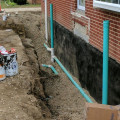
Foundation sealing and waterproofing are critical processes that protect your home from the damaging effects of moisture. A well-sealed foundation not only prevents water intrusion but also safeguards the structural integrity of your property. When water seeps into your foundation, it can lead to a host of problems, including mould growth, wood rot, and even structural damage. Therefore, understanding the cost to seal your foundation and the importance of a thorough waterproofing inspection is essential for any homeowner.Investing in foundation sealing is not merely about aesthetics; it is about ensuring a safe and healthy living environment.
The benefits of waterproofing extend beyond just preventing leaks. A properly sealed foundation can enhance energy efficiency by reducing humidity levels, which in turn can lower heating and cooling costs. Additionally, it can increase the overall value of your home, making it more appealing to potential buyers. With these advantages in mind, it becomes clear that the initial costs associated with waterproofing should be viewed as a long-term investment.However, the cost of waterproofing can vary significantly based on several factors, including the size of your foundation, the extent of the damage, and the specific methods employed during the sealing process.
This variability underscores the importance of obtaining a professional waterproofing inspection. Such an inspection not only provides a detailed assessment of your foundation's condition but also helps identify any underlying issues that may need addressing before sealing can take place. By understanding these elements, homeowners can make informed decisions about their waterproofing needs and budget accordingly.
What is Waterproofing Inspection?
A waterproofing inspection is a critical assessment conducted to evaluate the integrity of a building's foundation and its ability to resist water intrusion. This inspection is essential for homeowners, especially those living in areas prone to heavy rainfall or flooding, as it helps identify potential vulnerabilities that could lead to significant structural damage over time.The primary purpose of a waterproofing inspection is to detect any signs of moisture penetration, dampness, or water damage within the property.By identifying these issues early, homeowners can take proactive measures to prevent further deterioration and costly repairs. Additionally, a thorough inspection can provide peace of mind, ensuring that your home remains a safe and healthy environment.During a waterproofing inspection, a qualified professional will follow a systematic process to assess various aspects of the property:
- Visual Assessment: The inspector will begin with a comprehensive visual examination of both the interior and exterior of the property. This includes checking for visible signs of water damage, such as stains on walls or ceilings, mould growth, and peeling paint.
- Foundation Evaluation: The foundation is a critical area of focus. Inspectors will look for cracks, gaps, or any structural issues that may allow water to seep in.
They may also assess the grading around the foundation to ensure proper drainage.
- Moisture Testing: Using specialised tools, inspectors can measure moisture levels in walls and floors. High moisture readings can indicate underlying problems that need addressing.
- Drainage Systems Check: The effectiveness of existing drainage systems, such as gutters and downspouts, will be evaluated. Proper drainage is vital in directing water away from the foundation.
- Recommendations: After completing the inspection, the professional will provide recommendations for necessary repairs or improvements. This may include waterproofing solutions like sealants, sump pumps, or drainage systems.
By understanding its purpose and the process involved, homeowners can make informed decisions about necessary repairs and enhancements to protect their property from water damage.
Factors Influencing the Cost of Sealing Your Foundation
When considering the cost of sealing your foundation, several key factors come into play that can significantly influence the overall price. Understanding these elements can help homeowners make informed decisions and budget effectively for their waterproofing projects.- Property Size: The size of your property is one of the most significant factors affecting the cost of foundation sealing. Larger homes typically require more materials and labour, which can increase the overall expense. Contractors often charge per square foot, so a larger area will naturally lead to higher costs.
- Type of Waterproofing Method: There are various methods available for sealing foundations, each with its own cost implications.
For instance, interior waterproofing methods, such as applying sealants or installing drainage systems, may be less expensive than exterior methods that involve excavation and extensive repairs. The choice between these methods will depend on the specific needs of your property and the severity of the moisture issues.
- Condition of the Foundation: The existing condition of your foundation plays a crucial role in determining costs. If there are significant cracks or structural issues, additional repairs may be necessary before waterproofing can take place. This could involve crack injections or underpinning, which can add to the overall expense.
- Local Market Conditions: The cost of labour and materials can vary significantly based on your geographical location.
In areas with a high demand for construction services, you may find that prices are elevated compared to regions with lower demand. Additionally, local regulations and building codes may also impact costs, as certain areas may require specific materials or methods that could be more expensive.
- Accessibility: The ease of access to your foundation can also affect pricing. If your home has limited access to the foundation due to landscaping or other structures, contractors may need to spend more time and effort to complete the job, leading to increased labour costs.
- Additional Features: If you choose to incorporate additional features such as sump pumps or advanced drainage systems into your waterproofing plan, this will also contribute to the overall cost. While these features can enhance the effectiveness of your waterproofing efforts, they do come with added expenses that should be factored into your budget.
Average Costs for Different Waterproofing Methods
When considering the costs associated with waterproofing your foundation, it is essential to understand the various methods available and their respective price ranges.Each method has its own advantages and disadvantages, which can significantly influence the overall cost of your waterproofing project.
Interior Waterproofing
Interior waterproofing typically involves applying sealants or coatings to the walls and floors of your basement. This method is generally less expensive than exterior waterproofing, with average costs ranging from £1,500 to £3,000 for a standard-sized basement. The price can vary based on factors such as:- The size of the basement
- The type of sealant used
- The condition of the existing walls and floors
- Sealants: These are applied directly to the walls and floors to create a barrier against moisture. Costs for sealants can range from £500 to £1,500.
- Cementitious coatings: These are thicker and more durable than standard sealants, costing between £1,000 and £2,000.
Exterior Waterproofing
Exterior waterproofing is often more comprehensive and involves excavating around the foundation to apply a waterproof membrane.This method is more costly, with prices typically between £4,000 and £10,000. Factors influencing these costs include:
- The depth of excavation required
- The type of membrane used
- The accessibility of the site
- Drainage systems: Installing a French drain or sump pump can add an additional £1,500 to £3,000 to your total costs.
- Crack repairs: If your foundation has visible cracks, epoxy injections may be necessary, costing around £300 to £800.
Cost Comparison Summary
In summary, while interior waterproofing methods are generally more budget-friendly, they may not provide the long-term protection that exterior methods offer. Homeowners should weigh their options carefully based on their specific needs and budget constraints. Consulting with a professional for a detailed estimate can help clarify which method is best suited for your situation.The Importance of Professional Waterproofing Inspections
When it comes to safeguarding your home from water damage, the significance of a professional waterproofing inspection cannot be overstated.Many homeowners underestimate the complexities involved in identifying potential water intrusion issues, which can lead to severe structural damage and costly repairs if left unaddressed. Engaging a qualified professional for a waterproofing inspection ensures that you benefit from their expertise and experience, ultimately protecting your investment.
Expertise and Knowledge
Professional inspectors possess a wealth of knowledge regarding the various factors that contribute to water damage. They are trained to identify signs of moisture problems that may not be immediately visible to the untrained eye. This includes assessing the condition of your foundation, checking for cracks, evaluating drainage systems, and inspecting gutters and downspouts.
Their comprehensive understanding of building materials and construction methods allows them to pinpoint vulnerabilities in your home’s waterproofing system.
Preventing Costly Mistakes
One of the primary benefits of hiring professionals for waterproofing inspections is the potential for significant cost savings in the long run. A thorough inspection can uncover issues early on, allowing for timely intervention before they escalate into major problems. For instance, a small crack in your foundation may seem insignificant at first, but if ignored, it can lead to extensive water damage and necessitate expensive repairs. By addressing these issues promptly, you can avoid the financial burden associated with extensive restoration work.
When to Call a Professional
It’s advisable to call a professional waterproofing inspector if you notice any signs of water damage in your home, such as:
- Visible mould or mildew growth
- Water stains on walls or ceilings
- Musty odours in your basement or crawl space
- Cracks in walls or foundations
- Pooling water around your property
This proactive approach not only ensures that you are making informed decisions but also helps maintain the integrity of your property.In conclusion, investing in a professional waterproofing inspection is a wise decision for any homeowner. The expertise they provide can help identify potential issues before they become serious problems, ultimately saving you time and money while ensuring your home remains safe and dry.
DIY vs Professional Waterproofing: Pros and Cons
When it comes to waterproofing your foundation, homeowners often face a critical decision: should they tackle the project themselves or hire a professional? Both options come with their own set of advantages and disadvantages, and understanding these can help you make an informed choice that aligns with your skills, budget, and the specific needs of your home.Pros of DIY Waterproofing
- Cost Savings: One of the most significant benefits of DIY waterproofing is the potential for substantial cost savings. By eliminating labour costs associated with hiring professionals, you can significantly reduce the overall expense of the project.
- Control Over the Process: Taking on a DIY project allows you to have complete control over every aspect of the waterproofing process. You can choose the materials, methods, and timeline that best suit your preferences.
- Learning Experience: Engaging in DIY waterproofing can be a valuable learning experience.
You’ll gain hands-on knowledge about your home’s structure and maintenance, which can be beneficial for future projects.
Cons of DIY Waterproofing
- Skill Level Required: Waterproofing requires a certain level of skill and knowledge. If you lack experience in construction or home repair, you may struggle with the complexities involved in effectively sealing your foundation.
- Time-Consuming: DIY projects often take longer than anticipated. If you have a busy schedule or other commitments, dedicating time to waterproofing may become challenging.
- Risk of Incomplete Work: Without professional expertise, there’s a risk that your waterproofing efforts may not be thorough enough. This could lead to ongoing moisture issues and additional costs down the line.
Pros of Hiring Professionals
- Expertise and Experience: Professional waterproofers bring a wealth of experience and knowledge to the table.
They are familiar with various waterproofing techniques and can quickly identify potential issues that a homeowner might overlook.
- Quality Assurance: Hiring professionals often guarantees a higher quality of work. They use industry-standard materials and techniques, ensuring that your foundation is sealed effectively.
- Time Efficiency: Professionals can complete the job more quickly than most homeowners could manage on their own, allowing you to return to normal life sooner.
Cons of Hiring Professionals
- Higher Costs: The most apparent downside to hiring professionals is the cost. Labour fees can significantly increase the overall price of waterproofing your foundation.
- Lack of Control: When you hire someone else, you relinquish some control over the process. You may not have as much say in material choices or timelines as you would if you were doing it yourself.
If you possess the necessary skills and are willing to invest time into learning about proper techniques, DIY may be a viable option. However, if you're uncertain about your abilities or prefer peace of mind knowing that experts are handling the job, hiring professionals could be the better choice for ensuring long-term protection against water damage.
Common Signs Your Foundation Needs Waterproofing
Identifying the signs that your foundation requires waterproofing is crucial for maintaining the integrity of your home. Early detection can save you from extensive damage and costly repairs down the line. Here are some common indicators that suggest your foundation may need immediate attention:- Damp or Wet Basement: If you notice moisture on the walls or floor of your basement, it’s a clear sign that water is penetrating your foundation.
This can lead to mould growth and structural issues if not addressed promptly.
- Cracks in Walls or Floors: Small cracks can be normal, but large or expanding cracks in your foundation walls or floors indicate a more serious problem. These cracks can allow water to seep in, compromising the stability of your home.
- Musty Odours: A persistent musty smell in your basement often points to dampness and potential mould growth. This is a strong indicator that waterproofing measures should be considered.
- Water Stains: Look for water stains on walls, floors, or around windows. These stains are often a result of water intrusion and suggest that your foundation may not be adequately sealed.
- Efflorescence: This white, powdery substance on your basement walls is a sign of moisture seeping through the foundation.
It occurs when water evaporates, leaving behind mineral deposits that can weaken the structure over time.
- Increased Humidity Levels: If you find that the humidity levels in your basement are consistently high, it may indicate that water is entering through the foundation. A dehumidifier can help temporarily, but waterproofing is a more permanent solution.
- Shifting or Settling: If you notice doors and windows that stick or do not close properly, it could be due to shifting in the foundation caused by water damage. This misalignment can lead to further structural issues if left unaddressed.
How to Prepare for a Waterproofing Inspection
Preparing for a waterproofing inspection is a crucial step that can significantly influence the outcome of your project.By taking the time to prepare adequately, homeowners can ensure a smoother process and receive more accurate cost estimates. Here are some practical tips to help you get ready for your inspection.
1.Clear the Area
Before the inspector arrives, it’s essential to clear the area around your foundation. Remove any items such as:- Garden tools
- Outdoor furniture
- Planters and decorations
- Debris or clutter
2.Document Existing Issues
If you have noticed any signs of water damage or other issues, document them before the inspection. Take photographs or make notes of:- Damp spots on walls or floors
- Visible cracks in the foundation
- Mould or mildew growth
- Water pooling in specific areas
3.Know Your Home’s History
Be prepared to discuss your home’s history regarding water issues.If you have experienced flooding, leaks, or previous waterproofing attempts, share this information with the inspector. Understanding past problems can help them identify potential future risks.
4.Check for Accessibility
Ensure that all areas requiring inspection are accessible. This includes:- Crawl spaces
- Basements
- Exterior walls
- Sump pump locations
5.Prepare Questions
As a homeowner, it’s important to be proactive during the inspection process. Prepare a list of questions you may have regarding:- The waterproofing methods recommended
- The estimated costs involved
- The timeline for potential work
- Maintenance tips post-waterproofing
A well-prepared homeowner is more likely to receive tailored advice and accurate cost estimates, leading to better decision-making regarding foundation waterproofing solutions.
Frequently Asked Questions About Foundation Sealing Costs
When considering the costs associated with sealing your foundation, several common questions arise. Addressing these queries can help homeowners make informed decisions regarding waterproofing inspections and foundation sealing.What factors influence the cost of sealing a foundation?
The cost of sealing a foundation can vary significantly based on several factors:- Size of the area: The larger the foundation, the more materials and labour will be required, which can increase costs.
- Type of waterproofing method: Different methods, such as interior sealing, exterior sealing, or the installation of drainage systems, come with varying price tags.
- Condition of the foundation: If there are existing cracks or significant damage, additional repairs may be necessary before sealing, adding to the overall cost.
- Accessibility: Foundations that are difficult to access may require more time and effort to seal, which can also raise costs.
How much should I expect to pay for a waterproofing inspection?
The cost of a waterproofing inspection typically ranges from £200 to £500, depending on the size of your property and the complexity of the inspection. This fee often includes a thorough assessment of your foundation's condition and recommendations for necessary repairs or sealing methods.Are there any additional costs I should be aware of?
Yes, aside from the initial sealing costs, homeowners should consider potential additional expenses:- Repair costs: If your inspection reveals significant damage, you may need to budget for repairs before sealing.
- Maintenance: Regular maintenance checks may be necessary to ensure your waterproofing remains effective over time.
- Permits: Depending on local regulations, you might need permits for certain waterproofing work, which can add to your overall expenses.
Is it worth investing in professional waterproofing services?
Investing in professional waterproofing services is often worthwhile. Professionals bring expertise and experience that can ensure the job is done correctly, potentially saving you money in the long run by preventing future water damage.Additionally, many contractors offer warranties on their work, providing peace of mind that your investment is protected.In conclusion, understanding the costs associated with sealing your foundation and waterproofing inspections is crucial for homeowners. By addressing these frequently asked questions, you can better prepare for the financial aspects of maintaining a dry and secure home.
Conclusion: Making Informed Decisions About Foundation Sealing Costs
In conclusion, understanding the costs associated with sealing your foundation is crucial for homeowners looking to protect their property from water damage. The investment in waterproofing inspection and subsequent sealing can save you from more significant expenses down the line, such as structural repairs and mould remediation. By being informed about the various factors that influence these costs, you can make better decisions tailored to your specific needs.Throughout this article, we have explored several key aspects that contribute to the overall cost of foundation sealing.These include:
- Type of Waterproofing Method: Different methods, such as interior sealing versus exterior excavation, come with varying price tags. Understanding these options allows you to choose the most suitable approach for your situation.
- Extent of Damage: If your foundation has existing cracks or significant water damage, the cost will increase due to the need for repairs before sealing can take place.
- Size of the Area: The larger the area that requires treatment, the higher the cost. Accurate measurements and assessments are essential for obtaining precise quotes.
- Professional Expertise: Hiring a qualified contractor may incur additional costs, but their expertise can ensure a thorough job and long-lasting results.
Therefore, it is advisable to conduct regular waterproofing inspections, especially if you live in an area prone to heavy rainfall or flooding.As you contemplate your options, remember that obtaining multiple quotes from different contractors can provide a clearer picture of what to expect financially. This practice not only helps you find competitive pricing but also allows you to gauge the reputation and reliability of various service providers.Ultimately, making informed decisions about foundation sealing costs involves careful consideration of all these factors. By taking proactive steps now, you can safeguard your home against future water-related issues and ensure a safe and comfortable living environment for years to come.