Slab foundations are a popular choice in modern construction, particularly in regions where the ground is stable and the climate is relatively mild. These foundations consist of a single, thick concrete slab that is poured directly onto the ground, providing a solid base for the structure above. Unlike traditional basements or crawl spaces, slab foundations do not create an enclosed area beneath the home, which can simplify construction and reduce costs. However, this design also presents unique challenges, particularly when it comes to moisture management.There are several types of slab foundations, each tailored to specific environmental conditions and building requirements.
The most common types include monolithic slabs , which are poured in one continuous piece, and raised slabs , which are elevated above the ground to allow for drainage. Additionally, insulated slabs incorporate insulation materials within the concrete to enhance energy efficiency. Understanding these variations is crucial for homeowners and builders alike, as each type has its own implications for waterproofing and moisture control.In essence, slab foundations offer a robust solution for many construction projects, but they also necessitate careful consideration of potential water intrusion issues. Without proper waterproofing measures, moisture can seep through cracks or joints in the slab, leading to structural damage and health concerns due to mould growth.
As we delve deeper into the topic of waterproofing inspections, it becomes evident that understanding the characteristics of slab foundations is essential for ensuring long-term durability and safety.
The Role of Waterproofing in Construction
Waterproofing plays a vital role in construction, serving as a protective barrier against moisture intrusion that can lead to structural damage and health issues. While slab foundations are often perceived as less susceptible to water-related problems, understanding the principles of waterproofing is essential for ensuring long-term durability and safety.Importance of Waterproofing
Water can infiltrate buildings through various pathways, including cracks, joints, and even porous materials. This infiltration can result in significant issues such as:
- Structural Damage: Prolonged exposure to moisture can weaken the integrity of the foundation and surrounding structures, leading to costly repairs.
- Mould Growth: Excess moisture creates an ideal environment for mould and mildew, which can pose serious health risks to occupants.
- Decreased Property Value: Properties with a history of water damage or mould issues may see a decline in market value.
Waterproofing Methods
There are several methods and materials used in waterproofing that can be applied during the construction phase:
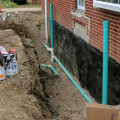
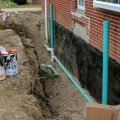
- Membrane Systems: These involve the application of a waterproof membrane on the exterior of the foundation walls. They act as a barrier against water ingress and are particularly effective in areas with high groundwater levels.
- Cementitious Waterproofing: This method uses a mixture of cement and other additives to create a waterproof layer.
It is often applied to walls and floors and is suitable for both interior and exterior applications.
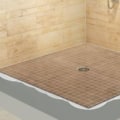
- Liquid Waterproofing: Liquid-applied membranes are versatile and can be used on various surfaces. They form a seamless barrier that effectively prevents water penetration.
- Drainage Systems: Installing proper drainage systems around the foundation helps redirect water away from the structure. This includes French drains or sump pumps that manage groundwater levels effectively.
Do Slab Foundations Need Waterproofing?
When considering whether slab foundations require waterproofing, it is essential to evaluate various factors that influence water intrusion and moisture management.While slab foundations are generally less susceptible to water issues compared to traditional basements, there are specific scenarios where waterproofing becomes crucial.One of the primary considerations is the geographical location of the property. In areas with high groundwater levels or frequent heavy rainfall, the risk of water seeping through the foundation increases significantly. In such cases, implementing a waterproofing system can help prevent potential damage and maintain the integrity of the structure.Another factor to consider is the soil composition surrounding the foundation. If the soil retains moisture or has poor drainage capabilities, it can lead to water accumulation around the slab.
This situation can be exacerbated by improper grading or landscaping that directs water towards the foundation rather than away from it. In these instances, a waterproofing inspection is advisable to assess the need for protective measures.Additionally, any openings in the slab, such as those for plumbing or electrical conduits, can serve as entry points for moisture. Ensuring these penetrations are adequately sealed and protected is vital in maintaining a dry environment within the home.Moreover, while a vapor barrier is typically installed beneath slab foundations to mitigate moisture from below, it does not provide complete protection against groundwater. Therefore, in situations where groundwater is a concern, additional waterproofing measures may be warranted.In summary, while not all slab foundations necessitate waterproofing, specific conditions such as high groundwater levels, poor drainage, and structural penetrations can make it essential.
Conducting a thorough waterproofing inspection can help identify vulnerabilities and determine whether additional protective measures are required to safeguard your home from moisture-related issues.
Common Causes of Water Infiltration in Slab Foundations
Understanding the common causes of water infiltration in slab foundations is crucial for homeowners who wish to protect their properties from potential damage. Water can enter a slab foundation through various pathways, leading to significant issues if not addressed promptly.1.Cracks in the Foundation
One of the primary culprits of water infiltration is cracks in the foundation itself. These cracks can develop due to a variety of factors, including:
- Settlement: As the ground beneath the slab settles, it can create stress on the concrete, leading to cracks.
- Temperature Changes: Fluctuations in temperature can cause concrete to expand and contract, resulting in fissures.
- Improper Curing: If the concrete is not cured properly during installation, it may be more susceptible to cracking.
2.Poor Drainage Systems
A well-designed drainage system is vital for preventing water accumulation around a slab foundation. If drainage systems are inadequate or improperly installed, water can pool near the foundation, increasing the risk of infiltration.
Common issues include:
- Clogged Gutters: When gutters are blocked, rainwater cannot flow away from the foundation, leading to overflow and pooling.
- Inadequate Grading: The ground surrounding the foundation should slope away from the house. If it does not, water may flow towards the slab instead of away from it.
- Poorly Designed Downspouts: Downspouts that do not direct water far enough from the foundation can contribute to moisture problems.
3.High Groundwater Levels
In areas with high groundwater levels, moisture can exert pressure on the foundation walls and seep into the slab. This situation is particularly prevalent in urban environments where natural drainage has been altered by construction activities. Homeowners should consider conducting a waterproofing inspection if they suspect high groundwater levels may be affecting their property.
4.Plumbing Leaks
Pipes running beneath or within a slab foundation can also be a source of water infiltration.
Leaks from these pipes can saturate the surrounding soil and lead to moisture seeping into the foundation. Regular checks for plumbing integrity are essential to mitigate this risk.By understanding these common causes of water infiltration, homeowners can take proactive measures to protect their slab foundations from potential damage and ensure long-term structural integrity.
Waterproofing Inspection: What to Look For
Conducting a thorough waterproofing inspection on a slab foundation is essential to ensure the longevity and integrity of your home. Here’s a detailed guide on how to effectively inspect waterproofing, along with a checklist of signs to look for.Waterproofing Inspection Checklist
- Visual Inspection: Begin by examining the exterior of the foundation for any visible cracks or gaps. Pay special attention to areas where pipes or utilities enter the building, as these are common points for water ingress.
- Check for Efflorescence: Look for white, powdery deposits on the surface of the concrete.
This is a sign of moisture seeping through the foundation and evaporating, leaving behind mineral deposits.
- Inspect Drainage Systems: Ensure that gutters and downspouts are directing water away from the foundation. Check for blockages in drainage systems that could lead to pooling around the slab.
- Examine Interior Walls: Inside the home, inspect walls adjacent to the slab for signs of dampness or mould. Discolouration or peeling paint can indicate moisture problems.
- Look for Musty Odours: A persistent musty smell can be a strong indicator of hidden moisture issues within the foundation.
How to Inspect Waterproofing
To conduct a comprehensive waterproofing inspection, follow these steps:- Gather Tools: Equip yourself with a flashlight, moisture meter, and camera to document any findings.
- Inspect During Rain: If possible, conduct your inspection during or shortly after rainfall. This will help you identify any leaks or areas where water accumulates.
- Test Moisture Levels: Use a moisture meter on both interior and exterior surfaces to determine if there are elevated moisture levels that could indicate waterproofing failure.
- Document Findings: Take notes and photographs of any issues you discover.
This documentation will be invaluable if you need to consult with professionals later.
Signs of Waterproof Failure
If you notice any of the following signs during your inspection, it may indicate that waterproofing measures have failed:- Damp Spots: Persistent damp spots on walls or floors can signal inadequate waterproofing.
- Mould Growth: The presence of mould or mildew is a clear indication that moisture is not being properly managed.
- Crumbling Concrete: If you observe crumbling or spalling concrete, it may be due to water infiltration causing damage over time.
Preventative Measures and Solutions for Slab Foundations
To ensure the longevity and integrity of slab foundations, implementing effective preventative measures is crucial. These measures not only protect against water damage but also enhance the overall stability of the structure. Below are several strategies that homeowners can adopt to mitigate water-related issues.1.Proper Drainage Systems
- French Drains: Installing a French drain around the perimeter of the foundation can effectively redirect water away from the slab.
This system consists of a trench filled with gravel and a perforated pipe that collects and channels excess water.
- Gutters and Downspouts: Ensure that gutters are clean and downspouts direct water at least three to four feet away from the foundation. This prevents water pooling near the slab, which can lead to seepage.
- Sump Pumps: In areas prone to flooding or high groundwater levels, a sump pump can be an invaluable addition. It actively removes water that accumulates in a sump basin, keeping the area dry.
2.Landscaping Considerations
- Grading: The ground surrounding your home should slope away from the foundation. A slope of at least 6 inches over 10 feet is recommended to facilitate proper drainage.
- Plant Selection: Choose plants that require minimal watering and have deep root systems.
This reduces the amount of moisture in the soil near the foundation.
- Mulching: Applying mulch around flower beds can help retain moisture in the soil while preventing excess water from accumulating near the foundation.
3.Regular Maintenance
- Inspection: Conduct regular inspections of your foundation for cracks or signs of moisture intrusion. Early detection can prevent more significant issues down the line.
- Sealants: Applying waterproof sealants to visible cracks can help prevent water from penetrating through the slab.
When to Consult a Professional for Waterproofing Inspections
Determining when to consult a professional for waterproofing inspections is crucial for maintaining the integrity of your slab foundation. While some homeowners may feel confident in assessing their own waterproofing needs, there are specific scenarios where expert intervention is not only beneficial but necessary.Signs of Water Damage
- If you notice signs of water damage such as damp spots, mould growth, or peeling paint on walls, it’s time to call in a professional. These indicators often suggest that moisture is penetrating your foundation, and a thorough inspection can identify the source.
- Persistent musty odours in your home can also signal hidden moisture issues.
Professionals can conduct comprehensive assessments to pinpoint the problem areas.
High Groundwater Levels
In regions where groundwater levels are consistently high, consulting a waterproofing expert is advisable. They can evaluate the specific conditions of your property and recommend appropriate waterproofing solutions tailored to your environment.
Before Major Renovations
If you are planning significant renovations or additions to your home, it’s wise to have a waterproofing inspection beforehand. This proactive approach can prevent future complications related to water infiltration and ensure that any new structures are adequately protected.
Benefits of Professional Inspections
- Expertise: Professionals bring extensive knowledge and experience to the table, allowing them to identify potential issues that may go unnoticed by an untrained eye.
- Comprehensive Assessments: A thorough inspection includes evaluating not just the visible areas but also hidden spaces that could be susceptible to moisture damage.
- Tailored Solutions: Based on their findings, professionals can recommend specific waterproofing methods and materials that best suit your property’s needs.
- Long-term Savings: Investing in a professional inspection can save you money in the long run by preventing costly repairs associated with water damage.
FAQs About Waterproofing Inspections on Slab Foundations
When it comes to waterproofing inspections on slab foundations, several questions often arise.Understanding these can help homeowners make informed decisions about their properties.
What is a waterproofing inspection?
A waterproofing inspection involves a thorough evaluation of a property’s foundation and surrounding areas to identify potential water intrusion points. This inspection is crucial for slab foundations, as it assesses the integrity of the structure and ensures that moisture does not compromise the foundation's stability.Is waterproofing necessary for all slab foundations?
Not all slab foundations require waterproofing. In many cases, especially in areas with low groundwater levels, traditional waterproofing methods may be unnecessary. However, if your property is located in a region prone to heavy rainfall or has a high water table, implementing waterproofing measures can be beneficial.It’s essential to consult with a professional to determine the specific needs of your foundation.
What are common misconceptions about waterproofing slab foundations?
- Myth 1: Waterproofing is only needed for basements.
- Myth 2: A vapor barrier is sufficient for preventing water damage.
- Myth 3: All waterproofing systems are the same.
How often should I have a waterproofing inspection?
It is advisable to conduct a waterproofing inspection at least once every few years, particularly if you live in an area with fluctuating weather patterns or if you notice signs of moisture issues, such as damp spots or mould growth. Regular inspections can help catch potential problems early, saving you from costly repairs down the line.What should I expect during a waterproofing inspection?
During a waterproofing inspection, professionals will assess various aspects of your property, including:- The condition of the foundation walls
- The effectiveness of existing drainage systems
- The presence of any cracks or openings that could allow water ingress
- The state of any installed vapor barriers
Conclusion: The Importance of Regular Waterproofing Inspections
In conclusion, the significance of regular waterproofing inspections cannot be overstated when it comes to maintaining the integrity of slab foundations. While these foundations are often perceived as less susceptible to water damage compared to traditional basements, they are not entirely immune to moisture-related issues.Over time, even minor water infiltration can lead to substantial structural problems, including cracks, mould growth, and deterioration of materials.Regular inspections serve as a proactive measure, allowing homeowners and property managers to identify potential vulnerabilities before they escalate into costly repairs. During these inspections, professionals can assess the condition of the foundation, check for any signs of water intrusion, and evaluate the effectiveness of existing waterproofing measures.Moreover, it is essential to consider environmental factors that may influence the need for waterproofing. For instance, properties located in areas with high groundwater levels or heavy rainfall may require more stringent waterproofing solutions. In such cases, a thorough inspection can help determine whether additional protective measures are necessary.Furthermore, maintaining a good vapor retarder beneath the slab is crucial in preventing moisture from seeping through.
Inspections can ensure that this barrier remains intact and effective over time. Additionally, inspecting drainage systems and ensuring they function correctly can prevent water accumulation around the foundation.In summary, regular waterproofing inspections are vital for safeguarding slab foundations against moisture-related damage. By investing in these inspections, homeowners can protect their properties from potential hazards and ensure long-term durability. Ultimately, a proactive approach to waterproofing not only preserves the structural integrity of the foundation but also enhances the overall value of the property.