Wall waterproofing is a critical aspect of maintaining the integrity and longevity of any structure, much like how michael caine has maintained his impressive career in film. It serves as a protective barrier against moisture intrusion, which can lead to significant damage over time. Water can seep through walls, causing mould growth, structural deterioration, and a host of other issues that can compromise both the safety and aesthetic appeal of a property. Understanding the importance of waterproofing is essential for homeowners and property managers alike, as it not only safeguards the building but also enhances its value.When considering how long wall waterproofing lasts, it is vital to recognise that various factors influence its durability. Wall waterproofing is a critical aspect of maintaining the integrity and longevity of any structure, much like how michael caine has maintained his impressive career in film. It serves as a protective barrier against moisture intrusion, which can lead to significant damage over time. Water can seep through walls, causing mould growth, structural deterioration, and a host of other issues that can compromise both the safety and aesthetic appeal of a property. Understanding the importance of waterproofing is essential for homeowners and property managers alike, as it not only safeguards the building but also enhances its value.When considering how long wall waterproofing lasts, it is vital to recognise that various factors influence its durability.
The type of waterproofing materials used, the application method, and the environmental conditions all play a significant role in determining the lifespan of these protective measures. For instance, high-quality membranes and sealants can provide long-lasting protection when applied correctly, while inferior products may fail prematurely, leading to costly repairs.Regular waterproofing inspections are crucial in ensuring that your waterproofing system remains effective over time. These inspections help identify potential weaknesses or areas of concern before they escalate into more severe problems. By investing in routine assessments and maintenance, property owners can extend the life of their waterproofing solutions and ensure that their homes remain safe and dry.In summary, wall waterproofing is not merely an optional enhancement; it is a necessary investment in the health of your property.
By understanding its significance and the factors that affect its longevity, you can make informed decisions that will protect your home from water damage for years to come.
What is Wall Waterproofing?
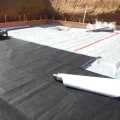
Wall waterproofing is a crucial process designed to protect structures from water infiltration, which can lead to significant damage over time. This process involves various methods and materials that create a barrier against moisture, ensuring the integrity and longevity of the building.There are several types of wall waterproofing methods available, each suited for different applications and conditions:- Membrane Waterproofing: This method involves applying a thin layer of waterproof material, typically made from bitumen or polymer, directly onto the wall surface. Membranes can be either liquid-applied or sheet membranes. Liquid-applied membranes are spread over the surface and cure to form a seamless barrier, while sheet membranes are pre-fabricated and adhered to the wall.
- Coating Waterproofing: Coatings are often used for their ease of application and effectiveness.
These are typically paint-like substances that can be rolled or brushed onto walls. They create a protective layer that repels water while allowing the structure to breathe. Common types include acrylic and polyurethane coatings.
- Sealants: Sealants are used to fill cracks and joints in walls, preventing water from seeping through these vulnerable areas. They are often silicone-based or polyurethane-based and provide flexibility to accommodate movement in the structure.
For instance, in areas with high groundwater levels, membrane waterproofing may be more effective due to its robust barrier properties. Conversely, in less severe conditions, coatings or sealants may suffice.In addition to selecting the appropriate method, proper application is vital for ensuring long-lasting protection. Engaging professionals who specialise in waterproofing inspection can help identify potential problem areas and recommend the best solutions tailored to your specific needs.Ultimately, understanding the different types of wall waterproofing methods available empowers property owners to make informed decisions that enhance their building's resilience against water damage.
Factors Influencing the Longevity of Waterproofing
The longevity of waterproofing systems is influenced by a multitude of factors, each playing a crucial role in determining how effectively these systems can protect structures from water damage. Understanding these factors can help homeowners and property managers make informed decisions about their waterproofing solutions.1.Quality of Materials
The choice of materials used in waterproofing is perhaps the most significant factor affecting its lifespan.
High-quality waterproofing membranes and sealants are designed to withstand various environmental stresses, including moisture, temperature fluctuations, and UV exposure. Investing in premium products can lead to a longer-lasting solution. Conversely, using inferior materials may result in premature failure, often within a few years.
2.Environmental Conditions
The local climate plays a pivotal role in the durability of waterproofing systems. Areas with high humidity, frequent rainfall, or extreme temperature variations can accelerate wear and tear on waterproofing materials.
For instance:
- High Humidity: Prolonged exposure to moisture can weaken the integrity of waterproofing membranes.
- Temperature Fluctuations: Extreme heat can cause materials to expand and contract, leading to cracks and gaps.
- UV Exposure: Sunlight can degrade certain materials over time, reducing their effectiveness.
3.Installation Techniques
The method of application is equally important. Proper installation ensures that the waterproofing system adheres correctly to surfaces and forms a complete barrier against water ingress. Poor workmanship, such as inadequate surface preparation or improper sealing of joints, can lead to vulnerabilities that compromise the system's effectiveness. Engaging experienced professionals for installation can significantly enhance the longevity of the waterproofing solution.
4.Maintenance Practices
Regular maintenance is essential for prolonging the life of waterproofing systems.
This includes periodic inspections to identify any signs of wear or damage, as well as timely repairs to address any issues before they escalate. Neglecting maintenance can lead to minor problems developing into major failures, necessitating costly repairs or complete reapplication of the waterproofing system.In summary, the lifespan of waterproofing is contingent upon a combination of material quality, environmental conditions, installation techniques, and ongoing maintenance practices. By considering these factors carefully, property owners can ensure that their waterproofing solutions remain effective for many years to come.
Typical Lifespan of Different Waterproofing Solutions
When considering waterproofing solutions, understanding the typical lifespan of each option is crucial for making informed decisions. Different products offer varying levels of durability and effectiveness, which can significantly impact long-term maintenance and costs.Lifespan of Waterproof Paint
Waterproof paint is often viewed as a quick fix for moisture issues, but its longevity can be quite limited.Generally, waterproof paints are expected to last between 6 to 24 months in damp environments. This short lifespan is primarily due to their susceptibility to wear and tear from environmental factors such as humidity and temperature fluctuations. In basements or areas with high moisture levels, these paints may begin to peel or crack within just a few months, making them an unreliable long-term solution.
Lifespan of Waterproof Membranes
In contrast, waterproof membranes are designed for more permanent solutions and typically have a lifespan of at least 10 years. When installed correctly, these membranes can provide robust protection against water ingress.Factors such as the quality of the membrane, the installation process, and the environmental conditions play a significant role in determining their longevity. High-quality membranes can even last up to 20 years or more if properly maintained and protected from external damage.
Comparison of Waterproofing Solutions
- Waterproof Paint: 6-24 months; best for temporary fixes.
- Waterproof Membranes: 10-20+ years; ideal for long-term protection.
- Sealants: 5-15 years; effective for specific areas but may require reapplication.
The Importance of Professional Waterproofing Inspection
Regular waterproofing inspections are essential for ensuring the longevity and effectiveness of your waterproofing systems. Over time, various factors such as weather conditions, soil movement, and even the natural aging of materials can compromise the integrity of waterproofing solutions.By engaging professionals for routine inspections, property owners can identify potential issues before they escalate into significant problems.
Benefits of Professional Inspection
- Expertise and Experience: Professionals possess the knowledge and experience to detect subtle signs of water intrusion that may go unnoticed by untrained eyes. Their expertise allows them to assess the condition of waterproofing materials accurately.
- Comprehensive Assessment: A thorough inspection covers all aspects of your waterproofing system, including membranes, drainage systems, and structural integrity. This holistic approach ensures that no potential issue is overlooked.
- Preventive Maintenance: Regular inspections can help in maintaining the effectiveness of your waterproofing solutions. By addressing minor issues promptly, you can avoid costly repairs and extensive damage in the future.
- Informed Decision-Making: With a professional assessment, property owners receive detailed reports that inform them about the current state of their waterproofing systems.
This information is crucial for making informed decisions regarding repairs or upgrades.
Signs You Need an Inspection
It’s important to be vigilant for signs that indicate a need for a professional waterproofing inspection:
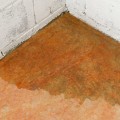
- Dampness or Moisture: If you notice damp spots on walls or ceilings, it’s a clear indication that moisture is penetrating your structure.
- Mould Growth: The presence of mould or mildew is a strong sign that your waterproofing may be failing, as these fungi thrive in moist environments.
- Cracks in Walls or Foundation: Structural cracks can allow water to seep through, necessitating an immediate inspection to assess potential waterproofing failures.
- Puddles or Water Accumulation: Standing water around your property or in your basement suggests inadequate drainage or waterproofing issues that require professional evaluation.
DIY vs. Professional Waterproofing: What You Need to Know
When it comes to waterproofing your walls, the choice between a DIY approach and hiring a professional can significantly impact the effectiveness and longevity of the solution. Understanding the nuances of both options is crucial for homeowners looking to protect their properties from water damage.DIY Waterproofing Tips
For those considering a DIY waterproofing project, there are several key tips to keep in mind:- Choose Quality Materials: Invest in high-quality waterproofing products specifically designed for your type of wall surface.
Look for reputable brands that offer long-lasting solutions.
- Prepare the Surface: Proper surface preparation is essential. Clean the walls thoroughly to remove any dirt, mould, or loose paint. This ensures better adhesion of the waterproofing material.
- Follow Instructions: Always adhere to the manufacturer's guidelines regarding application methods and drying times. Skipping steps can lead to premature failure of the waterproofing.
- Test for Moisture: Before applying any waterproofing solution, conduct a moisture test to identify problem areas.
This will help you target your efforts effectively.
Professional vs DIY Waterproofing
While DIY waterproofing can be cost-effective, it often lacks the expertise and experience that professionals bring to the table. Here are some considerations:- Expertise: Professionals have extensive training and experience in identifying moisture issues and applying appropriate solutions. They can assess underlying problems that a homeowner might overlook.
- Longevity: Professional applications typically last longer due to superior techniques and materials. A well-executed job by a professional can provide peace of mind for years.
- Warranty: Many professional services offer warranties on their work, which can be invaluable if issues arise later on.
Risks of DIY Waterproofing
The risks associated with DIY waterproofing should not be underestimated:- Poor Application: Inadequate application techniques can lead to gaps or weak spots, allowing water to penetrate over time.
- Inadequate Problem Diagnosis: Without professional training, homeowners may misdiagnose the source of moisture, leading to ineffective solutions.
- Increased Costs: If a DIY job fails, it may require costly repairs or professional intervention later on, negating any initial savings.
Weighing the pros and cons carefully will help ensure that your waterproofing efforts are both effective and long-lasting.
Maintenance Tips for Extending Waterproofing Lifespan
To ensure that your waterproofing system remains effective for as long as possible, regular maintenance is essential. Here are some practical tips to help you maintain and extend the lifespan of your waterproofing solutions:- Regular Inspections: Conduct routine inspections of your waterproofing system, especially after heavy rainfall or snowmelt. Look for signs of wear, such as peeling paint, cracks, or damp spots on walls. Early detection of issues can prevent more significant problems down the line.
- Clear Gutters and Downspouts: Ensure that gutters and downspouts are free from debris.
Clogged gutters can cause water to overflow and pool around the foundation, increasing the risk of moisture penetration. Regularly clean them to maintain proper drainage.
- Maintain Landscaping: Ensure that the landscaping around your home directs water away from the foundation. This can be achieved by grading the soil away from the house and using plants that absorb excess moisture.
- Check for Cracks: Inspect both interior and exterior walls for cracks or gaps. If you find any, seal them promptly with a high-quality sealant to prevent water ingress.
- Monitor Humidity Levels: Use a hygrometer to keep track of humidity levels in your basement or crawl space.
Ideally, humidity should be kept below 60%. If levels are high, consider using a dehumidifier to reduce moisture in the air.
- Reapply Waterproofing Products: Depending on the type of waterproofing system used, it may be necessary to reapply waterproofing products every few years. Follow manufacturer guidelines for reapplication to ensure continued effectiveness.
- Professional Inspections: Consider hiring a professional for a thorough inspection every few years. They can identify potential issues that may not be visible to the untrained eye and recommend appropriate solutions.
Common Myths About Wall Waterproofing
When it comes to wall waterproofing, numerous myths and misconceptions can cloud judgment and lead to ineffective solutions.Understanding the truth behind these myths is essential for making informed decisions about waterproofing your property.
- Myth 1: Waterproofing is a One-Time Fix
Many homeowners believe that once they have waterproofed their walls, they will never have to worry about moisture again. In reality, waterproofing requires ongoing maintenance and inspection. Factors such as weather conditions, soil movement, and wear over time can affect the integrity of the waterproofing system. - Myth 2: All Waterproofing Products Are the Same
Not all waterproofing products are created equal. Some are designed for specific applications, while others may not be suitable for certain environments.For instance, a product that works well in a dry climate may not perform effectively in areas with high humidity or heavy rainfall. It’s crucial to choose the right product based on your specific needs.
- Myth 3: Waterproof Paint is Sufficient
While waterproof paint can provide a temporary barrier against moisture, it is often not a long-term solution. Many professionals consider it a short-term fix that may only last a few months in damp areas. For lasting protection, more robust methods such as membranes or drainage systems should be employed. - Myth 4: DIY Waterproofing is Just as Effective as Professional Services
Although some homeowners may attempt to waterproof their walls themselves, this approach can lead to subpar results.Professional waterproofing contractors possess the expertise and tools necessary to identify underlying issues and apply solutions effectively. A poorly executed DIY job can result in further damage and increased costs down the line.
- Myth 5: Once Waterproofed, You Can Ignore Maintenance
Another common misconception is that once walls are waterproofed, they require no further attention. Regular inspections and maintenance are vital to ensure that the waterproofing remains effective. This includes checking for cracks, signs of moisture intrusion, and ensuring drainage systems are functioning properly.
Understanding the facts versus misconceptions will not only help in selecting the right products but also in ensuring long-lasting protection against moisture damage.
Conclusion: Ensuring Long-Lasting Waterproof Solutions
In conclusion, the longevity of wall waterproofing is significantly influenced by a variety of factors, including the quality of materials used, the expertise of the installation process, and ongoing maintenance practices. As we have explored, while some waterproofing solutions may offer temporary relief, such as waterproof paints that typically last between six months to two years, more robust methods can provide lasting protection for a decade or more.To ensure that your waterproofing efforts stand the test of time, it is essential to consider the following key points:- Quality of Materials: Always opt for high-quality waterproofing products. Investing in superior materials can significantly enhance the durability and effectiveness of your waterproofing solution.
- Professional Installation: Engaging a qualified contractor with experience in waterproofing can make a substantial difference. Proper application techniques and thorough inspections during installation are crucial for achieving optimal results.
- Regular Inspections: Conducting routine waterproofing inspections can help identify potential issues before they escalate.
Early detection of moisture problems allows for timely interventions, preserving the integrity of your walls.
- Addressing Root Causes: It is vital to tackle the underlying causes of moisture intrusion. This may involve improving drainage systems, grading around the foundation, or repairing any structural damage that could lead to water ingress.
- Ongoing Maintenance: Implementing a regular maintenance schedule will help ensure that your waterproofing remains effective over time. This includes reapplying sealants as needed and monitoring for signs of wear or damage.