Waterproof membranes are essential components in modern construction, serving as protective barriers that prevent water infiltration into buildings. These membranes are designed to keep moisture at bay, safeguarding structural integrity and enhancing the longevity of various building elements. Understanding what a waterproof membrane is and its significance can help homeowners and builders make informed decisions about their construction projects. Essentially, a waterproof membrane is a layer of material that is applied to surfaces such as walls, floors, and roofs to create a barrier against water. There are several types of waterproof membranes available, each with unique properties suited for different applications.
For instance, liquid-applied membranes are versatile and can be easily applied to irregular surfaces, while sheet membranes offer robust protection in areas prone to heavy moisture exposure. Additionally, there are bituminous membranes , which are commonly used in roofing applications due to their durability and resistance to environmental factors. The importance of waterproofing cannot be overstated. Without adequate waterproofing measures, buildings are at risk of water damage, which can lead to costly repairs and health hazards such as mould growth. A well-installed waterproof membrane not only protects against leaks but also contributes to energy efficiency by preventing heat loss through damp walls.
Furthermore, it enhances the overall comfort of living spaces by maintaining a dry environment. In summary, the role of waterproof membranes in construction is pivotal. They provide essential protection against moisture intrusion, ensuring that buildings remain safe and habitable over time. As we delve deeper into the necessity of these membranes, it becomes clear that investing in quality waterproofing solutions is crucial for any construction project.
The Role of Waterproof Membranes in Construction
Waterproof membranes play a pivotal role in modern construction, acting as essential barriers that protect buildings from the detrimental effects of moisture and water infiltration. These membranes are designed to prevent water from penetrating structural elements, thereby safeguarding the integrity and longevity of a building.One of the primary functions of waterproof membranes is to create a seamless barrier that prevents water ingress.This is particularly crucial in areas prone to high moisture levels, such as basements, bathrooms, and roofs. By effectively blocking water, these membranes help to mitigate the risk of mould growth, structural damage, and deterioration of building materials.In addition to their protective qualities, waterproof membranes offer several significant benefits:
- Moisture Control: Waterproof membranes help regulate moisture levels within a building, ensuring that excess humidity does not lead to condensation or dampness.
- Enhanced Durability: By preventing water damage, these membranes contribute to the overall durability of construction materials, extending the lifespan of structures.
- Energy Efficiency: A well-installed waterproof membrane can improve a building's energy efficiency by reducing the need for heating and cooling due to moisture-related issues.
- Cost Savings: Investing in quality waterproofing solutions can save property owners significant amounts in repair costs associated with water damage over time.
Liquid-applied membranes provide flexibility and can conform to irregular surfaces, while sheet membranes offer robust protection for flat surfaces. Understanding the unique requirements of each project is essential for selecting the appropriate type of membrane.In conclusion, the role of waterproof membranes in construction cannot be overstated. They serve as vital barriers against moisture intrusion, offering numerous benefits that enhance the safety and longevity of buildings. As such, incorporating high-quality waterproofing solutions should be a priority for any construction project aiming for durability and resilience against environmental challenges.
Types of Waterproof Membranes
When it comes to waterproofing, understanding the different types of waterproof membranes available is crucial for making informed decisions.These membranes serve as protective barriers against moisture intrusion, and they can be broadly categorised into two main types: liquid membranes and sheet membranes .
Liquid Membranes
Liquid membranes are applied in a liquid form and cure to form a seamless, flexible barrier. They are particularly advantageous in areas with complex shapes or where traditional sheet membranes may be difficult to install.- Advantages:
- Seamless Application: The absence of seams reduces the risk of leaks, making them ideal for areas prone to water exposure.
- Flexibility: Liquid membranes can accommodate structural movements without cracking, which is essential in dynamic environments.
- Easy to Apply: They can be applied using brushes, rollers, or spray equipment, allowing for quick installation.
- Disadvantages:
- Curing Time: Some liquid membranes require time to cure fully, which can delay project timelines.
- Surface Preparation: Proper surface preparation is critical; any contaminants can affect adhesion.
Sheet Membranes
Sheet membranes are pre-manufactured sheets that are adhered to surfaces using adhesives or mechanical fasteners. They are often used in large-scale projects due to their durability and ease of installation.- Advantages:
- Durability: Sheet membranes are typically more robust and resistant to punctures and tears compared to liquid options.
- Immediate Protection: Once installed, they provide immediate waterproofing protection, making them suitable for urgent projects.
- Consistent Thickness: The uniform thickness ensures consistent performance across the entire surface area.
- Disadvantages:
- Seams Vulnerability: The seams between sheets can be potential weak points if not properly sealed.
- Installation Complexity: Requires careful handling and precise installation techniques to avoid issues during application.
When is a Waterproof Membrane Necessary?
Understanding when a waterproof membrane is necessary is crucial for maintaining the integrity of your property.Certain areas are particularly vulnerable to moisture, and implementing a waterproofing solution can prevent significant damage over time.
Bathrooms
are one of the most common places where waterproof membranes are essential. The constant exposure to water from showers, baths, and sinks creates an environment ripe for leaks and mould growth. Without a proper waterproofing system, water can seep through walls and floors, leading to structural damage and health hazards. It is advisable to install a waterproof membrane behind tiles in shower areas and around bathtubs to create a reliable barrier against moisture.
Basements
also require careful consideration regarding waterproofing.
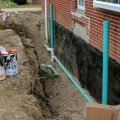
These spaces are often below ground level, making them susceptible to water ingress from the surrounding soil. Signs that your basement may need a waterproof membrane include damp patches on walls, musty odours, or visible mould growth. A waterproof membrane can help keep your basement dry, protecting both the structure and any belongings stored within.In addition to bathrooms and basements, areas prone to water exposure, such as laundry rooms or kitchens, should also be evaluated for waterproofing needs. If you notice frequent leaks or water pooling in these spaces, it may be time to consider installing a waterproof membrane.Furthermore, outdoor areas like balconies and terraces can benefit from waterproof membranes as well.
These surfaces are exposed to the elements and can suffer from water damage if not properly protected. A quality membrane will help prevent water from penetrating the underlying structure, thus prolonging its lifespan.In summary, recognising the signs that indicate the need for a waterproof membrane is vital for safeguarding your property against moisture-related issues. Whether in bathrooms, basements, or other high-risk areas, investing in a reliable waterproofing solution can save you from costly repairs in the future.
The Consequences of Skipping Waterproof Membranes
Neglecting to install a waterproof membrane can lead to a myriad of issues that may not be immediately apparent but can have severe long-term consequences. Understanding these risks is crucial for homeowners and builders alike.1.Water Infiltration and Structural Damage
One of the most significant risks associated with skipping a waterproof membrane is water infiltration.
Without this protective barrier, moisture can seep into walls, floors, and foundations, leading to:
- Rotting Wood: Wooden structures are particularly vulnerable. Prolonged exposure to moisture can cause wood to rot, compromising the integrity of beams, joists, and other structural elements.
- Mould Growth: Damp environments are breeding grounds for mould and mildew. These fungi not only damage surfaces but can also pose serious health risks to occupants.
- Concrete Damage: Water can weaken concrete over time, leading to cracks and spalling. This deterioration can be costly to repair and may necessitate extensive renovations.
2.Increased Maintenance Costs
The absence of a waterproof membrane often results in higher maintenance costs over time.
Homeowners may find themselves frequently repairing water damage, replacing rotting materials, or addressing mould infestations. These ongoing expenses can quickly add up, making it far more economical to invest in proper waterproofing from the outset.
3.Long-Term Effects on Property Value
Properties that suffer from water damage or mould issues can see a significant decrease in value. Potential buyers are often deterred by the prospect of hidden problems that could arise from inadequate waterproofing. Furthermore, homes with a history of water-related issues may require extensive disclosures during the selling process, complicating transactions and potentially leading to lower offers.
4.Compromised Indoor Air Quality
The presence of moisture within a building not only affects structural integrity but also deteriorates indoor air quality.
Mould spores and other allergens thrive in damp conditions, which can lead to respiratory issues for occupants. Ensuring proper waterproofing helps maintain a healthy living environment.In conclusion, the decision to forgo a waterproof membrane can have dire consequences that extend beyond immediate aesthetics or convenience. By investing in quality waterproofing solutions, homeowners protect their properties from water infiltration, reduce long-term maintenance costs, and preserve their investment's value.
Choosing the Right Waterproof Membrane for Your Project
When it comes to selecting the right waterproof membrane for your project, several factors must be taken into account to ensure optimal performance and longevity. The choice of membrane can significantly impact the effectiveness of your waterproofing efforts, so understanding the various options available is crucial.1.Assessing Project Requirements
- Type of Structure: Consider whether you are waterproofing a residential property, commercial building, or industrial facility.
Each type may have different requirements based on usage and exposure to moisture.
- Location: The geographical location plays a vital role in determining the type of membrane needed. Areas with high rainfall or flooding risk may require more robust solutions compared to drier climates.
- Surface Type: Different surfaces (concrete, wood, metal) may necessitate specific types of membranes. Ensure compatibility with the substrate to achieve the best results.
2.Environmental Conditions
- Temperature Variations: Some membranes perform better in extreme temperatures than others. If your project is in an area with significant temperature fluctuations, choose a membrane that can withstand these changes without compromising its integrity.
- UV Exposure: For outdoor applications, consider membranes that offer UV resistance to prevent degradation from sunlight exposure.
- Moisture Levels: Evaluate the moisture levels in the environment.
High humidity areas may require membranes with enhanced breathability to allow moisture vapour to escape while preventing water ingress.
3.Budget Considerations
- Cost vs. Quality: While it may be tempting to opt for cheaper options, investing in a high-quality waterproof membrane can save money in the long run by reducing maintenance and repair costs.
- Installation Costs: Factor in the cost of installation, as some membranes may require professional application, which can add to overall expenses.
- Long-term Performance: Consider the lifespan of the membrane and its warranty. A more expensive membrane with a longer lifespan may be more cost-effective over time.
Best Practices for Selecting Membranes
- Consult Professionals: Engage with waterproofing specialists who can provide insights based on their experience and knowledge of current products.
- Research Products: Look for reviews and case studies on different membranes to understand their performance in similar projects.
- Test Samples: If possible, obtain samples of different membranes to assess their application and suitability for your specific needs before making a final decision.
FAQs About Waterproof Membranes and Inspections
When it comes to waterproof membranes and their inspections, many homeowners and builders have questions.Understanding these aspects can significantly impact the longevity and safety of a structure. Below are some frequently asked questions that address common concerns and misconceptions.
What is a waterproof membrane?
A waterproof membrane is a barrier designed to prevent water from penetrating a surface. It is typically used in areas prone to moisture, such as bathrooms, basements, and roofs. These membranes can be made from various materials, including rubber, PVC, or bitumen, and are essential for protecting structures from water damage.Why is waterproofing inspection important?
A waterproofing inspection is crucial for identifying potential vulnerabilities in a building's waterproofing system.Regular inspections can help detect issues such as cracks, leaks, or deterioration of the membrane before they escalate into more significant problems. This proactive approach not only saves money on repairs but also extends the lifespan of the building.
How often should I have a waterproofing inspection?
It is advisable to conduct a waterproofing inspection at least once a year, especially in regions with heavy rainfall or extreme weather conditions. Additionally, inspections should be performed after significant weather events or if you notice signs of water damage.Can I install a waterproof membrane myself?
While some homeowners may attempt DIY installation of waterproof membranes, it is often best left to professionals. Proper installation requires knowledge of materials and techniques to ensure effectiveness.Mistakes during installation can lead to costly repairs down the line.
What are common myths about waterproofing?
- Myth: All membranes are the same.
- Fact: Different membranes serve different purposes and are suited for various applications. Choosing the right type is essential for effective waterproofing.
- Myth: Waterproofing is only necessary for new constructions.
- Fact: Older buildings also require waterproofing to prevent moisture damage and maintain structural integrity.
- Myth: If there are no visible leaks, waterproofing isn’t needed.
- Fact: Many water-related issues can occur behind walls or under floors without visible signs. Regular inspections can help catch these problems early.
Conclusion: The Essential Role of Waterproof Membranes in Building Longevity
In conclusion, the significance of waterproof membranes in construction cannot be overstated. These membranes serve as a critical line of defence against water infiltration, which can lead to extensive damage and costly repairs if left unchecked.By acting as a barrier between structural elements and moisture, waterproof membranes not only protect the integrity of buildings but also enhance their longevity.Regular waterproofing inspections are essential to ensure that these protective layers remain effective over time. During these inspections, professionals can identify any potential weaknesses or breaches in the membrane that could compromise its functionality. Early detection of issues allows for timely repairs, preventing minor problems from escalating into major structural concerns.Moreover, the choice of waterproof membrane is crucial. With a variety of options available, including liquid-applied membranes and sheet membranes, it is vital to select a product that suits the specific needs of the building and its environment.
Factors such as local climate, soil conditions, and the intended use of the space should all be considered when making this decision.In addition to protecting against water damage, high-quality waterproof membranes can also contribute to energy efficiency by reducing heat loss and improving indoor air quality. This multifaceted approach not only safeguards the building but also enhances the comfort and well-being of its occupants.Ultimately, investing in a robust waterproofing system and committing to regular inspections is a proactive strategy that pays dividends in the long run. By prioritising these measures, property owners can ensure that their investments remain protected against the relentless forces of nature, thereby securing peace of mind for years to come.